









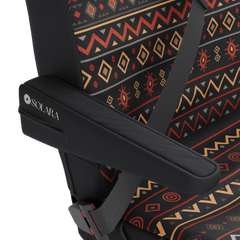






Every car leaves the factory identical to fifty thousand siblings, and every owner eventually feels the itch to fix that. The results split into two schools: cars that feel personal (coherent, considered, somehow more theirs) and cars wearing the aftermarket clown suit of unrelated gadgets. The difference isn't budget. It's three principles.
Principle one: reversible before permanent
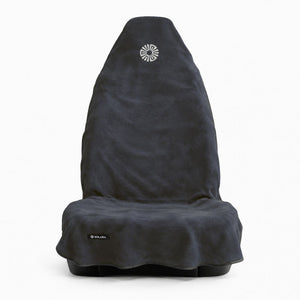
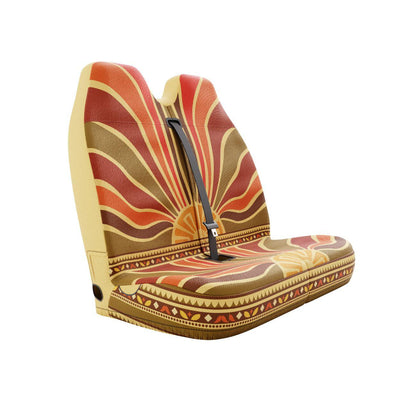
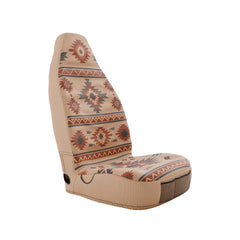
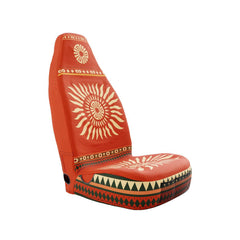
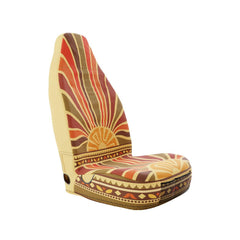
Wraps, tints and paint are commitments; textiles and bolt-ons are conversations. Start with everything that can be undone (seat covers, plate frames, floor and cargo textiles) and live with the direction before anything irreversible happens. Resale value agrees with this order, loudly (the math).
Principle two: personalize the touchpoints
The hierarchy that matters is contact, not visibility from the street: the seats you inhabit an hour a day, the armrest under your elbow, the belt against your collar. Money spent where your body lives pays daily; chrome trim on the grille pays never. (The full inside-out layering system is the boho accessories guide.)
Principle three: one palette, inside and out
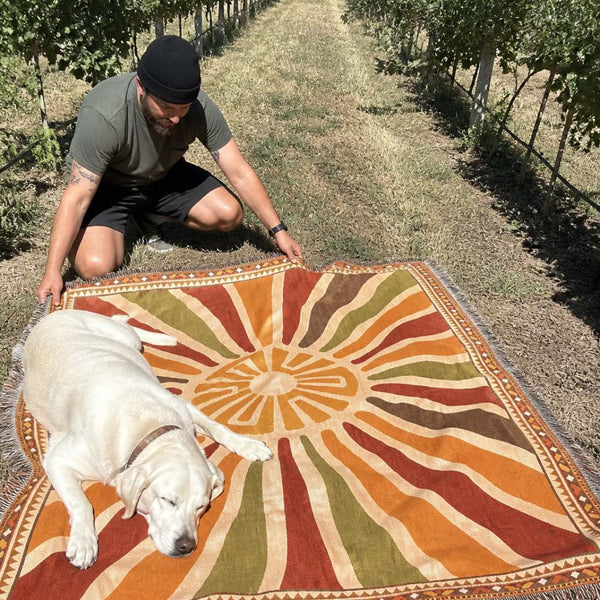
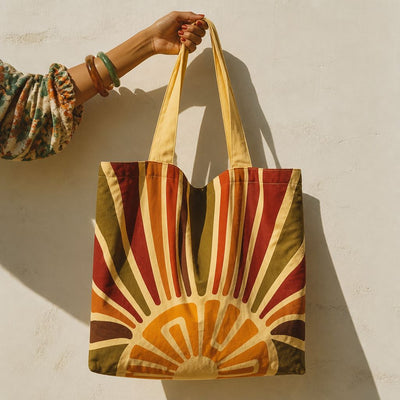
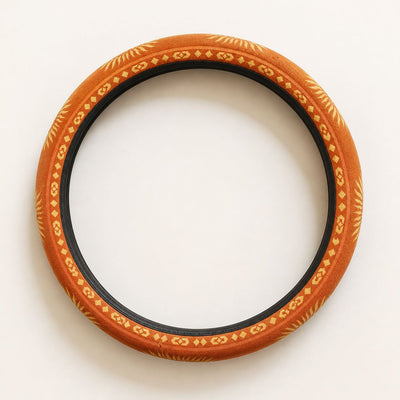
Coherence is the whole secret. Pick a single design language (say, a Solara print) and let it run: Zara on the seats, the matching frames on the plates (US & Canada), the tote riding shotgun, the rug in the trunk. Four objects, one voice, and the car reads as designed in a way no pile of unrelated accessories achieves. That cross-matching is, frankly, the entire idea our catalog is organized around.
Personal without costume: reversible, touch-first, coherent. The gift-sized version of this philosophy is in the new-car-owner guide.


