



















Nobody thinks about license plate screws until the moment they absolutely must: the new plate, the new frame, the screw that's rusted into legend. Then it turns out this four-piece hardware set has real variety and zero documentation. Consider this the manual that should have existed.
Sizes: the manufacturer lottery
There's no universal plate screw. The common patterns: domestic US vehicles mostly take slotted hex or #14 self-tappers into plastic nuts; Japanese makers (Toyota, Honda, Nissan, Mazda, Subaru) run M6-1.0 machine screws into threaded holes; German makers often M5 or M6 with captive nuts. Rule of thumb: if the old screw came out clean, match it at the hardware store rather than guessing from charts, ten minutes and €2 beats stripped threads.
Material: buy stainless once
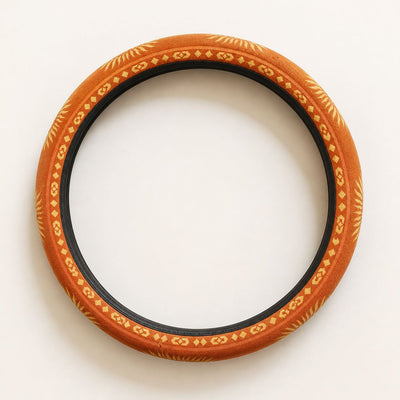
Factory plate screws are usually zinc-plated steel, which is why they're usually rusted. Stainless steel costs pennies more and ends the rust cycle permanently: the single best €3 upgrade in this entire category. Add nylon washers to protect a frame's finish, especially on patterned or coated frames like ours.
Anti-theft hardware: worth it where plates walk
Plate theft is regional but real (stolen plates launder toll and gas drive-offs). Security screws (Torx-pin, snake-eye, or one-way heads) cost €5–10 and defeat opportunists armed with the screwdriver everyone carries. Keep the odd bit in the glovebox, not the garage.
The stuck-screw escape ladder
Penetrating oil and patience first; correct-size bit with real downforce second (stripping happens from spinning, not strength); rubber band in the stripped head third; drill-out last (the full rescue guide walks it step by step). Then install whatever's next (frame mounting order and torque sense are in the install guide) with stainless, so you never read this section again.


