
















Somewhere in your kitchen is the Bag of Bags: a stuffed cabinet of wrinkled reusable totes acquired one guilty checkout at a time, none of which are ever in the car when you need them. The reusable bag revolution succeeded at making us own bags and failed at making us carry them. That's a systems problem, and systems problems have systems fixes.
The fix is location, not willpower
Bags don't get forgotten because you're careless; they get forgotten because they live in the kitchen and shopping starts in the car. Move the inventory: two good totes living permanently in the trunk (or seat-back pocket), returned to the car — not the cabinet — the moment they're unpacked. That single habit change beats every keychain-bag gadget ever invented. Our car organization guide builds on exactly this trick.
Fewer, better: the durability math
The polypropylene checkout bags cost little and last a year of weekly shops before seams give. A 12oz canvas tote carries more weight, machine washes (crucial — grocery bags carry raw-chicken drips and deserve hot soapy justice; how), and runs for many years — replacing a parade of cheap bags with two good ones. Environmentally, a cotton bag pays back its footprint through sheer reuse count, which is precisely the count cheap bags never survive to reach.
The two-tote grocery kit
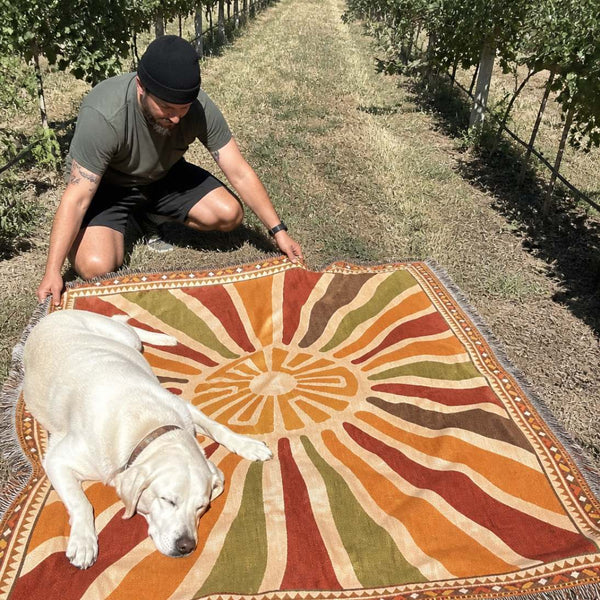
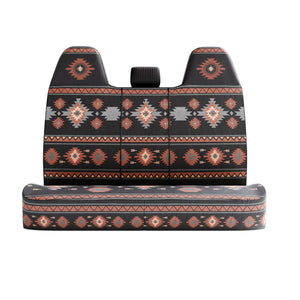
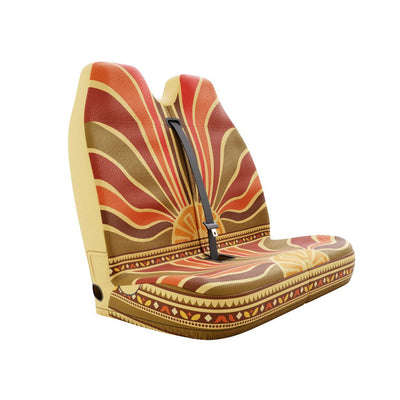
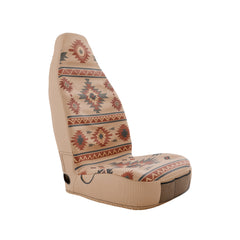
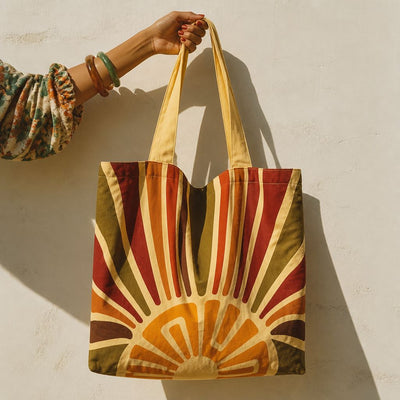
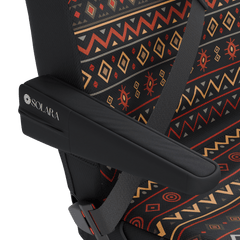
Tote one: heavy and boxy — jars, cans, milk — which is where the flat 13 cm gusset on our canvas totes earns its living. Tote two: light and soft — produce, bread, chips riding shotgun. Cold stuff clusters in one bag for the drive (thermal buddy system). And because errands deserve joy too: a bag printed like Zara's terracotta Aztec makes the Tuesday shop marginally less Tuesday. When it's not hauling groceries, it's already the market bag and beach bag — one object, whole rotation.


