














Every license plate frame is a bet on a material, and each material loses a different way. Having cast our lot (literally) with zinc alloy, we owe you the whole truth table — including where the alternatives genuinely win.
Plastic (ABS): the volume king
Cheap, light, never rusts — and that's the list. UV embrittles it (the snap-at-the-carwash frame is always ABS), printed designs fade to ghosts, and cold makes it brittle exactly when road salt season arrives. Lifespan: 1–3 years looking acceptable. Wins on: price, and honestly nothing else.
Steel: strong until the first chip
Stamped steel is rigid and cheap to make, but it lives one paint chip from rust — and plate frames collect chips like a job. Chrome-plated steel rusts under the chrome, which peels in sheets. Fine in dry climates; a countdown timer anywhere with winters. Lifespan: 2–5 years, climate-dependent.
Aluminum: the honest middle
Light, rust-proof, takes anodizing beautifully — genuinely good, and the right answer for plain frames. Limits: thin stamped aluminum bends at parking-garage encounters, and decoration is confined to surface finishes; you can't cast fine pattern into sheet stock.
Zinc alloy: cast weight, cast detail
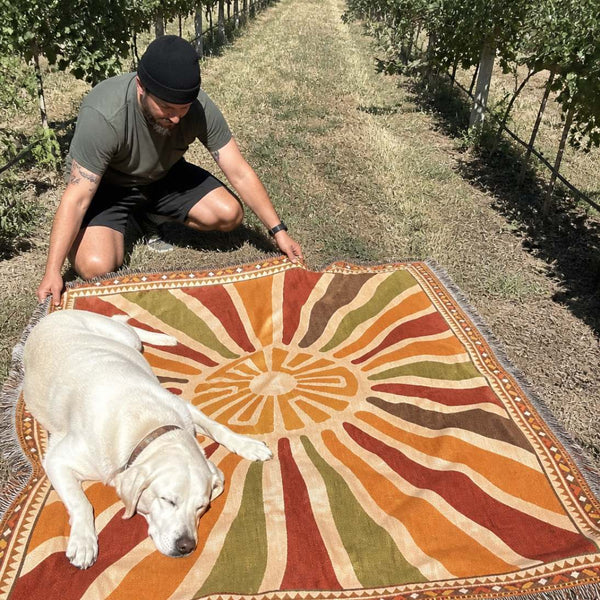
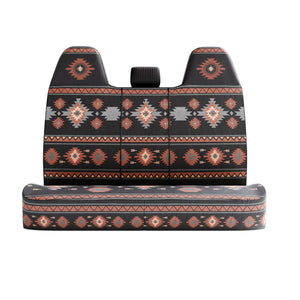
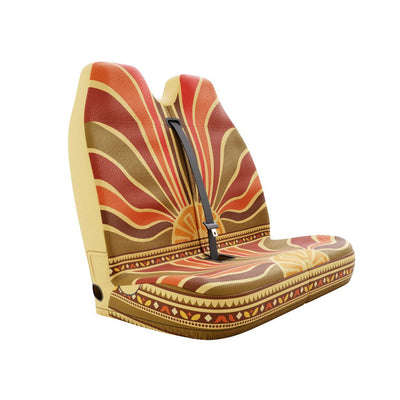
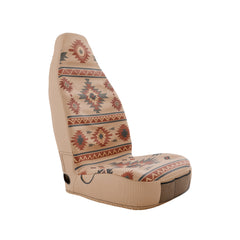
Zinc's party trick is die-casting fidelity — it fills molds finely enough to carry real pattern as structure, which is the whole reason our frames can wear Aztec geometry and sunburst rays that can't fade, because they aren't ink (the is-it-the-object principle). Corrosion resistance is strong with a sealed finish; the cast weight kills the rattle that plagues light frames (rattle clinic). The honest limit: heavier than aluminum and costlier than plastic — the trade is permanence.
The table, summarized
Plastic for a season, steel for dry states, aluminum for plain-and-forever, cast zinc for patterned-and-forever. Buy on the five-year timeline (the rankings) and the shelf gets much shorter.


