












There are two schools of picnic blanket: the plastic-backed roll-up that lives in the trunk and the beautiful woven one that lives in your photos. The internet argues about waterproof backing endlessly, so here's the honest breakdown of when each wins — and why most people end up happier with the woven one.
School one: waterproof-backed
PEVA or foil backing blocks ground moisture completely — the right tool for genuinely wet grass, early-spring parks and festival mud. The tradeoffs: they feel like sitting on a tarp, look like one in photos, trap condensation underneath, and the backing cracks and peels within a couple of seasons. Function without charm.
School two: the woven rug
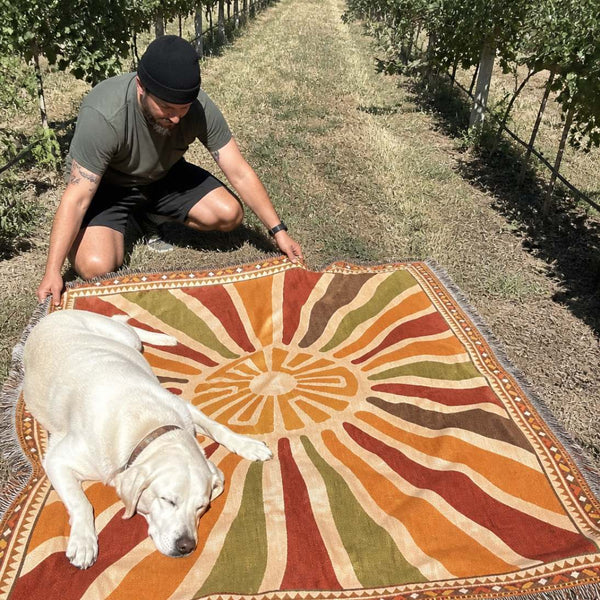
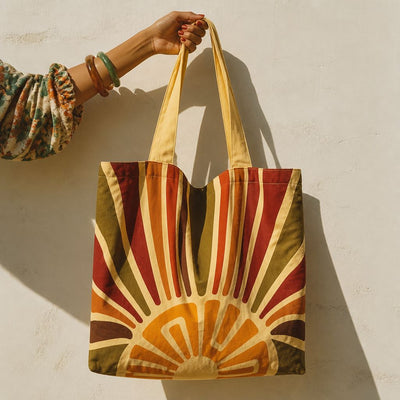
A jacquard woven throw rug flips the tradeoff: real textile comfort, patterns woven in rather than printed (what jacquard means), fringed edges that photograph like a lifestyle magazine — and versatility no plastic-backed mat has. The same 130×180 cm rug does beach days (sand shakes straight out of a flat weave, unlike terry or fleece), park picnics, van floors, festival camps, then comes indoors as a sofa throw all winter. About a kilo, folds into a tote, cold machine wash.
The honest answer on damp ground
Woven cotton blends aren't groundwater-proof — on soaked grass, either bring the plastic mat or layer it under the woven rug and get both: dryness from below, comfort and looks on top. On dry-to-dewy ground (which is most picnics), the rug alone is the better day.
Picking yours
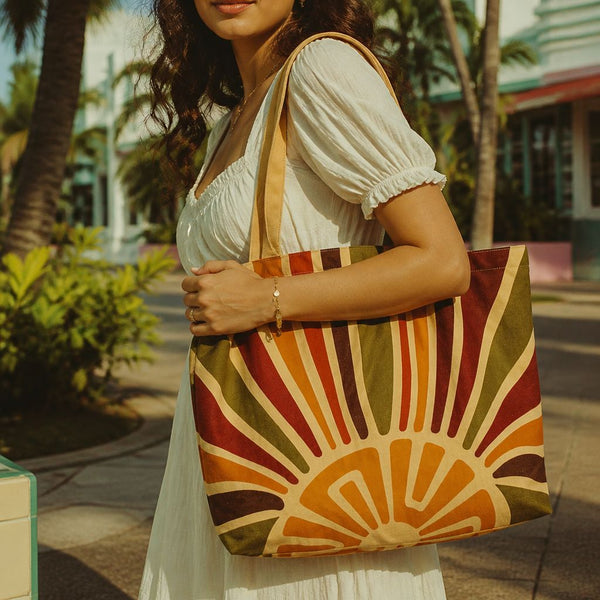
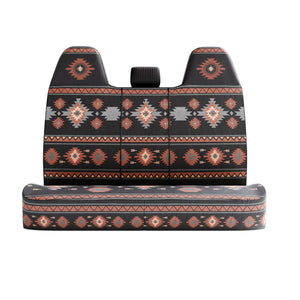
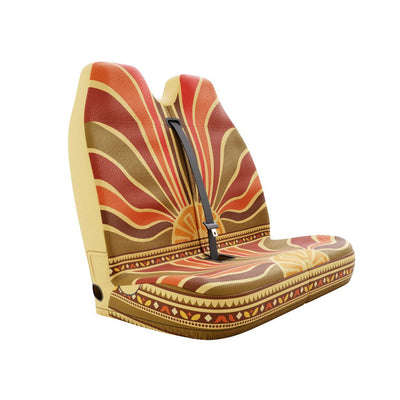
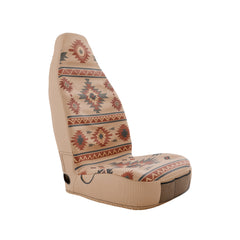
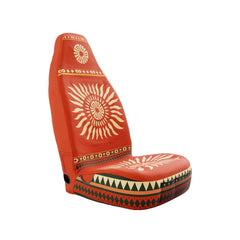
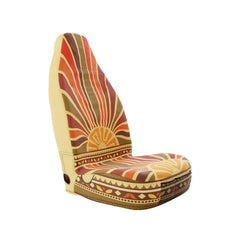
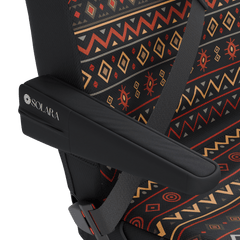
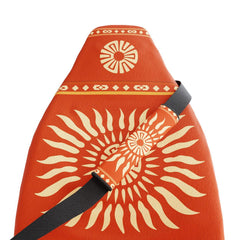
Size: 130×180 cm seats three to four adults or one family sprawl. Weight: around 1 kg carries anywhere — heavier “luxury” picnic blankets stay home, and the blanket you bring beats the blanket you don't. Pattern: Southwestern medallions, boho sunbursts, soft florals, navy Berber kilim — all twelve are in the rug collection, and if your car already wears a Solara print, there's a rug that matches it.


