

















Somewhere between the classic bench and modern individual seats, truck makers invented the 40/20/40: two proper seats and a magic middle section that's a third passenger spot, a fold-down desk, and a storage console depending on the minute. It's genuinely clever packaging, and the single most-asked-about configuration in our inbox, because covering it wrong ruins everything clever about it.
Why one-piece covers fail here
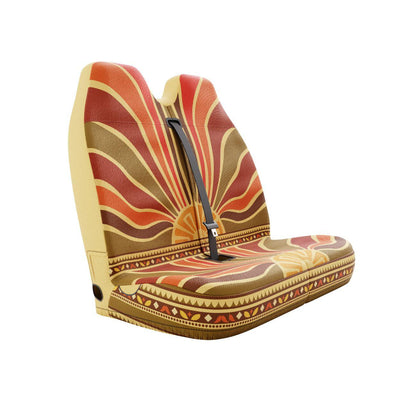
A single cover spanning all three sections has to survive the middle folding down, which it does by binding, bunching, or blocking the fold entirely. Worse, most one-piece “bench” covers block the center seatbelt and the cupholders in the fold-down, so you've protected the seat by deleting half its functions. Strap-system covers that span the whole bench tend to end up doing this within a week of real use.
The setup that works
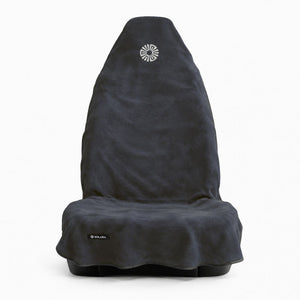
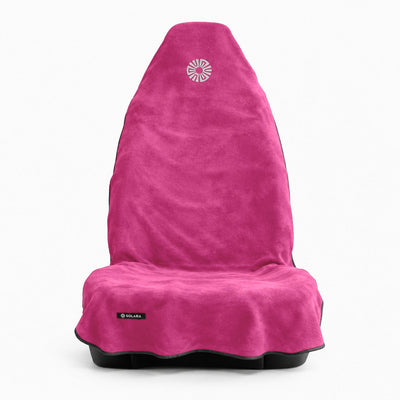
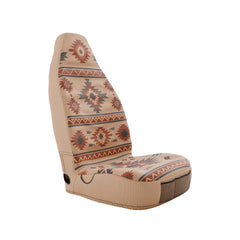
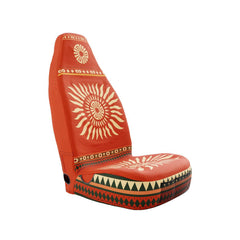
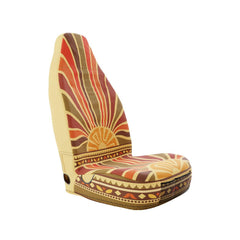
Cover the two outboard 40s with universal stretch singles (they're standard seat shapes with headrests, a minute each) and leave the 20 in the middle bare and fully functional. The center section is vinyl-topped on most trucks anyway (it was designed to be wiped), and it takes a fraction of the wear the outboard seats do. Protection where the wear is, function where the folding is.
The 60/40 variant
Same logic, two sections: cover the 60 and the 40 per-section if they don't fold in your truck, or go singles-plus-loose rug layer if they do. The measuring method for all splits lives in the bench guide and the size guide.
Which trucks this covers
Work-trim F-150s and Super Dutys, Silverados and Sierras, Rams, Tundras: each has its own full guide in our truck series (F-150, Silverado, Ram, Tundra). The 40/20/40 answer is the same in all of them: now you know why.


