



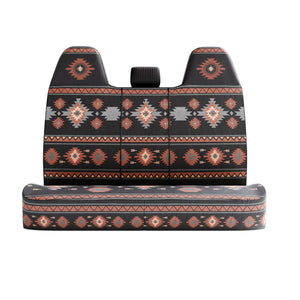

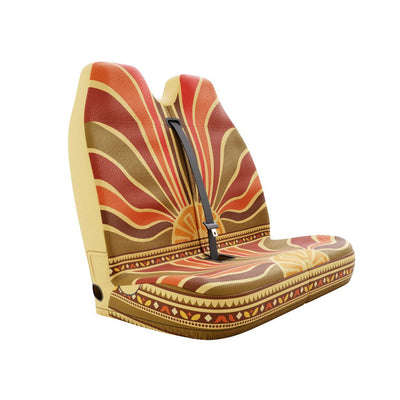












Bucket seats are easy — bench seats are where seat cover shopping goes wrong. Truck benches, van doubles, classic car benches: they share a name but not a shape, and the wrong cover ends up as expensive fabric in a drawer. Here's how to get bench seat covers right the first time.
The three kinds of “bench”
- Van double seats — the passenger double in Transits, Sprinters, Crafters, Transporters and most campervans. Two positions, one cushion, usually a fold-flat function and integrated belts. This is exactly what a double front seat cover is cut for — including the seat-belt cutouts.
- Truck 40/20/40 benches — work-spec F-150s, Silverados, Rams. The folding center console-section breaks one-piece covers; cover the outboard seats with singles instead and keep the middle functional.
- Classic full benches — old pickups and sedans with one flat sofa-style seat. Measure width first; continuous benches without fold functions are the best one-piece candidates. Our project car guide covers this world.
How to measure a bench
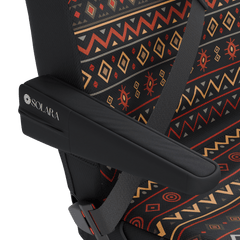
Three numbers decide everything: backrest width, cushion depth, and whether anything folds or lifts. Grab a tape measure, then compare against the compatibility and size guide — two minutes that prevent the number-one cause of returns. Integrated seat belts and armrests need cutout positions to match, which is why van-specific doubles beat generic “bench” covers from the parts store.
What bench covers must survive
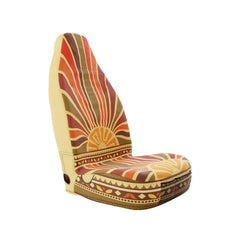
Benches live in working vehicles: tools, dogs, cargo sliding over the middle seat. Waterproof coating (not just resistance), machine washability (care guide), and a stretch fit that doesn't creep loose over bumps are the non-negotiables. For style, van benches carry bold prints beautifully — the double cover collection runs from solid Ash Black to full Sedona desert floral.
Vanlifer? The long-haul perspective is in the vanlife seat cover guide. Sizing explained end-to-end: single, double, bench, bucket.


