











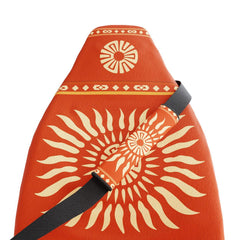



Wash universal car seat covers in cold water on a gentle cycle with mild detergent. Air dry. Avoid bleach and high-heat tumble drying, which break down waterproof coatings. Reproof every 6–12 months with a fluorine-free DWR spray. Below: the step-by-step routine, stain-specific protocols, and the mistakes that ruin waterproof covers.
Read the care label first (always)
Solara covers and most quality universal-fit covers are machine-washable. Different brands have different specs.
Solara's care instructions are simple: machine wash cold and hang to dry. For any coated cover, these basics also help:
- Machine wash cold (max 30°C / 85°F)
- Gentle cycle
- Mild detergent
- No bleach
- Air dry
- Do not iron
- Do not dry clean
If the care label says "spot clean only" or "dry clean only," follow that, but you've probably bought a poorly designed cover. Quality covers should be machine-washable.
Pre-treat stains
For visible stains, treat before washing:
Coffee, juice, food spills:
- Cold water rinse immediately if possible
- Pre-soak in cold water with mild detergent (10–15 minutes)
- Gently rub the stain with a soft brush
- Then machine wash
Mud:
- Let the mud dry completely
- Brush off the dry mud: don't wet-rub it (spreads the stain)
- Then pre-soak and wash
Pet accidents:
- Cold water rinse immediately
- Pre-soak with enzyme cleaner (Nature's Miracle, similar): breaks down proteins
- Then machine wash with mild detergent
Crayon:
- Scrape off solid wax with a butter knife
- Pre-treat with mild detergent
- Wash cold (heat sets crayon)
- Air dry only: dryer heat can permanently set crayon
Vomit:
- Cold water rinse immediately
- Pre-soak with enzyme cleaner
- Then machine wash
Machine wash settings: cold, gentle, mild detergent
The four critical settings:
Temperature: Cold (max 30°C / 85°F).
Hot water damages waterproof coatings and can shrink covers.
Cycle: Gentle or delicate.
Standard cycles are too aggressive for stretch fabric over time.
Detergent: Mild liquid detergent (Tide Free, Seventh Generation, Method).
Avoid:
- Bleach (destroys waterproof coatings)
- Fabric softener (coats fibers, reduces waterproofing)
- Heavy-duty detergent (too harsh)
Spin: Gentle spin.
Aggressive spin cycles stress seams over time.
For best results, wash 1–2 covers at a time. Don't crowd the machine.
Air dry vs. dryer (avoid the dryer)
Solara covers should be air-dried only. Reasons:
- Heat damages waterproof coatings
- Heat can shrink stretch fabric
- Tumble drying stresses seams
- Air drying preserves color longevity
Air drying methods:
Line dry outside: best option. Sunlight has mild antibacterial effect, and the breeze speeds drying. Avoid direct sun for hours: UV can fade some colors over many cycles. 1–2 hours of sun then move to shade is ideal.
Line dry indoors: in laundry room or bathroom. Drying time 4–8 hours.
Drape over banister or chair: in pinch. Make sure airflow circulates around the cover.
Drape over the seat itself (back in the car): put the cover back on the wet seat and let it air-dry on the seat. Drying time 4–8 hours.
Drying time: 1–4 hours in good conditions, 6–12 hours in poor conditions.
Reproofing waterproof coatings
Even genuine waterproof fabric loses some repellency over time and washing. Reproofing every 6–12 months helps it keep beading.
Reproofing routine:
- Wash and dry the cover first
- Spread cover flat on a clean surface
- Spray fluorine-free DWR treatment evenly across the entire surface (Nikwax TX.Direct, Granger's Performance Repel are good options)
- Allow to absorb for 5 minutes
- Let it dry fully, following the spray maker's instructions
- Test with water beading after fully dry
Why fluorine-free? Older DWR treatments used PFCs (perfluorinated compounds), which are now restricted in many countries due to environmental persistence. Fluorine-free alternatives perform similarly without environmental concerns.
How often? Every 6 months for full-time outdoor use; annually for normal driving.
Spot-cleaning between washes
For minor spills you don't want to do a full wash for:
- Damp microfiber cloth + mild soap solution
- Blot, don't rub (rubbing spreads stains)
- Rinse with clean damp cloth
- Air dry in place
Solara's smooth, coated surface makes spot cleaning effective: most fresh spills lift cleanly with a damp cloth.
Wash routine by use case
Daily driver, no kids/dogs:
- Wash every 2–4 months
- Spot-clean as needed
Family with kids:
- Wash weekly during the messy phase (toddler years)
- Wash every 2 weeks otherwise
- Spot-clean daily as needed
Dog parents:
- Wash back seat cover weekly during shedding seasons
- Brush hair off daily
- Wash every 2 weeks otherwise
Vanlifers / surfers:
- Wash every 2–4 weeks during active use
- Quick rinse with hose after beach days
- Reproof every 6 months
What NOT to do
- No bleach. Destroys waterproof coatings.
- No fabric softener. Reduces waterproofing.
- No high heat. Damages coatings and shrinks fabric.
- No iron. Can melt fibers or seams.
- No dry clean. Solvents damage coatings and color.
- No commercial laundry presses. Industrial drying machines are too aggressive.
- No washing with non-color-safe items. Bright reds, etc., can transfer color.
Stain-specific protocols (quick reference)
| Stain | Pre-treat | Wash temp | Notes |
|---|---|---|---|
| Coffee / tea | Cold rinse + soak | Cold | Don't use hot: sets sugar |
| Wine | Cold rinse + dish soap | Cold | Pre-treat fast: can stain permanently |
| Milk / formula | Cold rinse + enzyme cleaner | Cold | Hot sets protein |
| Mud | Dry + brush off | Cold | Don't wet-rub mud |
| Crayon | Scrape + mild detergent | Cold | Heat sets crayon: air dry only |
| Vomit | Cold rinse + enzyme cleaner | Cold | Wash promptly |
| Blood | Cold rinse only: never hot | Cold | Hot sets blood |
| Sunscreen | Mild detergent pre-treat | Cold | Often comes out with patience |
| Pet pee | Enzyme cleaner pre-treat | Cold | Multiple soaks if needed |
| Grease | Dish soap pre-treat | Cold | Direct apply, 10-min soak |
FAQ
Can I wash multiple covers at once?
1–2 at a time is best. Crowding stresses seams and reduces wash effectiveness.
What if I accidentally washed in hot water?
One hot wash won't ruin a quality cover. Reproof with DWR spray to restore waterproofing. Multiple hot washes will degrade coatings.
Can I wash the cover while it's still on the seat?
No: that's not really feasible. Remove first, then wash.
Will washing affect the airbag-compatible seam?
No. Washing on a cold cycle and hanging to dry doesn't change the side seam.
Can I wash the back seat cover and front covers together?
Yes. Same fabric, same care.
How long do covers last with regular washing?
Solara covers are made to be washed: cold cycle, hang to dry, and prints made not to bleed or fade. Stick to that routine and they keep going.
What if a stain doesn't come out?
Some stains are permanent (especially old ink, certain dyes). The good news: pattern covers hide most permanent stains. Solid white covers are unforgiving.
Verdict
Wash universal-fit seat covers in cold water on gentle cycle with mild detergent. Air dry. Avoid bleach, fabric softener, high heat, and harsh treatments. Reproof every 6–12 months with fluorine-free DWR spray.
This routine takes 10 minutes of active time and extends cover life from 2 years to 5+ years. The cheapest investment you can make in your car's interior.


