





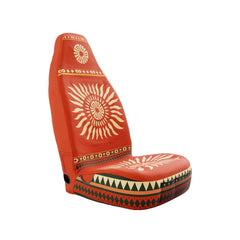

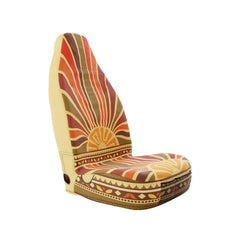











Old car seats can be made to look new in five ways: reupholstery ($800–$2,000), foam replacement ($300–$600 per seat), universal seat covers ($60–$280), steam cleaning ($30 DIY), or leather conditioner ($20). Most owners pick the wrong option for their situation. Below: the honest cost vs. result for each, the decision matrix, and what we'd actually do in your shoes.
Quick answer
For most cars under 10 years old: universal seat covers ($60–$280) are the right answer. They hide visible wear, install in minutes, and protect against future damage.
For older cars with collapsed foam: foam replacement first ($300–$600 per seat), then covers.
For show cars: reupholstery ($800–$2,000) is worth it.
For mild surface stains only: steam cleaning ($30 DIY) handles it.
For leather that's still intact: conditioning ($20) restores suppleness.
Option 1: Reupholstery ($800–$2,000)
What it is: a trim shop removes the seat upholstery and replaces it with new fabric, vinyl, or leather. Foam may or may not be replaced depending on condition.
Cost: $400–$800 per seat at a competent trim shop. $200–$300 per seat at a budget shop. $1,000+ per seat at a high-end shop.
Time: 2–4 weeks (seats removed and sent out, or shop has yours for a week).
Result: seats look genuinely new. Original feel restored. Period-correct materials available for vintage cars.
When it's right:
- Show cars and concours restorations
- Cars where original interior matters (resale, collector value)
- Cars with badly damaged or torn upholstery beyond what covers can hide
- Owners with budget and time
When it's wrong:
- Daily drivers with mild wear
- Cars under $15,000 in market value
- Owners who want a fast solution
For 90% of owners, reupholstery is overkill.
Option 2: Foam replacement ($300–$600 per seat)
What it is: a trim shop or DIY restorer replaces the foam under the upholstery. Often done in conjunction with reupholstery, but can be done separately if upholstery is intact.
Cost: $200–$400 per seat for foam material + labor. DIY foam is cheaper but requires skill.
Time: 4–8 hours per seat for a competent installer.
Result: seats feel like new. Lumbar support restored. Sagging eliminated. Visual appearance unchanged unless you reupholster too.
When it's right:
- Older cars (15+ years) where the foam has collapsed or sagged visibly
- Cars where the seat feel is uncomfortable due to foam degradation
- Combined with reupholstery for full restoration
When it's wrong:
- Foam is still intact and supportive
- You only care about visual appearance (covers solve that)
If the foam is fine, skip this. If sitting in the seat feels noticeably worse than other cars, foam replacement is worth considering.
Option 3: Universal seat covers ($60–$280)
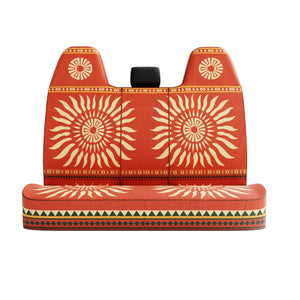
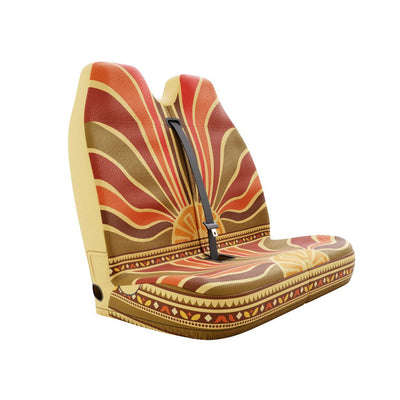
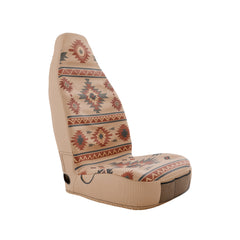
What it is: stretch-fit aftermarket covers that install over existing upholstery. Hide visible wear, protect against future damage.
Cost: about €50–€75 per seat for quality universal-fit covers, €25–€45 for budget ones, and €175+ per seat for custom-fit.
Time: 5 minutes per seat installation. No tools.
Result: Visible wear hidden completely. Pattern adds aesthetic. Underlying seat protected. Easy to remove for washing or resale.
When it's right:
- Daily drivers with mild to moderate wear
- Cars under $40,000 market value
- Owners who want fast, affordable refresh
- Anyone planning to sell within 5 years
When it's wrong:
- Show cars where OEM appearance is critical
- Concours restorations
- Cars with severely damaged upholstery (covers can't hide everything)
For most owners reading this, covers are the right answer. See our buying guide.
Option 4: Steam cleaning ($30 DIY)
What it is: deep-clean the existing upholstery using steam and extraction. Removes embedded dirt, sweat, light stains.
Cost: $30 for a steam cleaner rental, $0 for the cleaning solution (DIY mix), or $80–$150 for professional detailing.
Time: 2–3 hours for a full interior.
Result: Mild improvement. Surface dirt removed. Mild stains lightened. Smells reduced. Significant stains and wear NOT addressed.
When it's right:
- Mild surface dirt without visible wear
- Smell removal (long-term sweat or dog smell)
- Pre-sale interior detailing
- As a step before installing covers
When it's wrong:
- Visible wear, fading, or tears (cleaning won't fix)
- Sagging foam (cleaning doesn't restore foam)
- Owners expecting dramatic transformation
Steam cleaning is a quick win but rarely the complete solution.
Option 5: Leather conditioner ($20)
What it is: a moisturizing treatment for genuine leather seats that have aged. Restores suppleness, slows further drying.
Cost: $15–$30 for a quality conditioner (Lexol, Leatherique, Chemical Guys). One bottle conditions a full interior.
Time: 30 minutes total.
Result: Mild improvement on intact leather. Color restored slightly. Cracking slowed. NOT a fix for already-cracked leather.
When it's right:
- Genuine leather seats with mild aging (no cracks)
- Routine maintenance every 6 months
- After steam cleaning, before storage
When it's wrong:
- Faux leather (don't condition: coatings are different)
- Already-cracked leather (conditioner can't repair)
- Cloth seats (totally wrong product)
- Severely faded or damaged leather
Apply twice a year on intact leather. Don't expect miracles.
The decision matrix
| Your seat condition | Best option | Cost |
|---|---|---|
| Mild surface dirt only | Steam cleaning | $30 |
| Mild fading or wear | Universal covers | $130–$280 |
| Moderate wear, intact foam | Universal covers | $130–$280 |
| Aged leather, no cracks | Conditioner + covers | $20–$300 |
| Cracked leather | Covers (or reupholster) | $250–$2,000 |
| Sagging foam, intact upholstery | Foam replacement | $300–$600 |
| Severe damage / tears | Reupholstery | $800–$2,000 |
| Show car restoration | Full reupholstery + foam | $2,000–$5,000 |
What we'd actually do (for context)
If we were given a project car interior to refresh, here's our actual approach:
Step 1: Steam clean ($30, 2 hours).
Get the existing surface as clean as it'll get.
Step 2: Assess the foam.
Sit in each seat for 5 minutes. If the foam supports you adequately, skip foam replacement. If it sags or feels collapsed, replace foam first.
Step 3: Install universal covers ($250).
Hide whatever wear remains. Protect against future damage.
Step 4: Add bonuses ($95 total).
- Steering wheel cover ($30)
- All-weather floor mats ($50)
- Dashboard restorer ($15)
Total cost: $375 for an interior that looks dramatically refreshed.
This is what we'd do for 95% of cars. Reupholstery is only worth it for show cars or extreme damage.
FAQ
Can I do reupholstery DIY?
Possible but difficult. Requires industrial sewing machine, pattern templates, and skill. Most DIY reupholstery looks visibly homemade. Hire a trim shop for proper results.
How long does foam replacement last?
20+ years if quality foam is used. Original foam in older cars often outlasts the rest of the car.
Can I install covers over genuine leather?
Yes. Many leather owners do this on day one to protect the leather. The leather stays factory-fresh underneath.
What if my project car has both foam collapse AND torn upholstery?
Foam replacement + reupholstery is the right answer. Or replace foam, install universal covers: covers hide the torn upholstery.
Will steam cleaning damage my upholstery?
No, when done correctly with proper extraction. Avoid soaking the foam: that creates mildew.
How often should I condition leather?
Twice a year for daily drivers. Once a year for garage-kept cars.
Verdict
For most owners with old car seats: steam clean + universal covers = $280, 3 hours, dramatic improvement.
For show cars or severe damage: reupholstery is justified despite the cost.
For mild aging only: cleaning and conditioning may be enough.
Most owners overspend on this: they pay for reupholstery when covers would have solved 95% of the problem. The aesthetic difference between $250 covers and $2,000 reupholstery is smaller than the price difference suggests, especially with patterned covers.


