

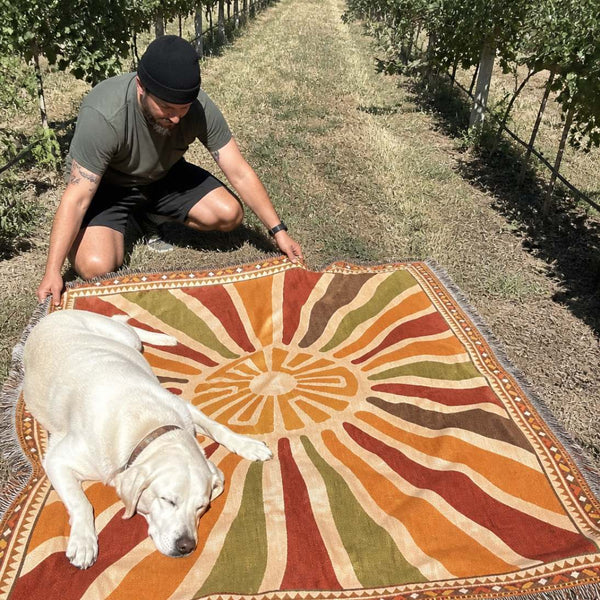

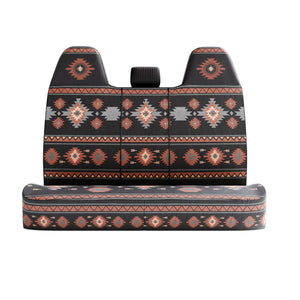

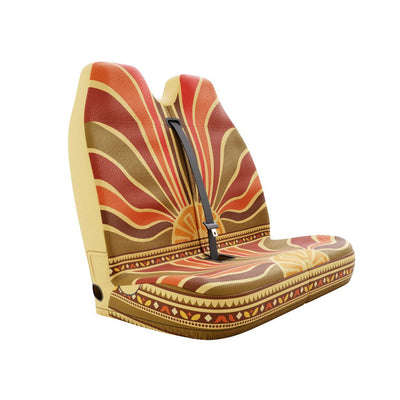







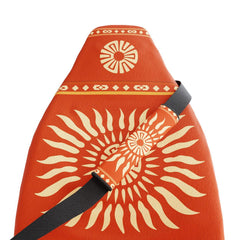



Do you need a beach mat instead of a beach blanket? If what you want is something flat, low-profile, and quick to shake out before the walk back to the car, yes — that's the specific job our beach mats are built for. A blanket bunches up under your elbows and holds a mound of sand in its folds. A mat lies flat and doesn't give sand anywhere to hide.
What Actually Separates a Mat From a Blanket
Thickness and drape, mostly. A beach blanket usually has more loft to it — it's meant to feel soft enough to lie on directly and warm enough to wrap around your shoulders when the wind picks up. A mat is woven flatter and stiffer on purpose. It stays put in a breeze instead of billowing, and it packs down into a tighter roll. If you're the type who sits upright with a cooler and a book rather than stretching out for a nap, a mat suits how you actually use the beach better.
Why the Weave Matters More Than the Size
Jacquard weaving builds the pattern into the fabric structure instead of printing it on the surface, which matters here for a practical reason: a tightly woven flat mat sheds loose sand more easily than a looser, fluffier weave. Give it two or three hard shakes holding two corners and most of the dry sand falls straight through the weave gaps instead of clinging to fibers. Wet sand is a different story — no woven fabric mat sheds wet sand well, ours included, so towel off before you sit down if you can.
Picking Between Our Two Patterns
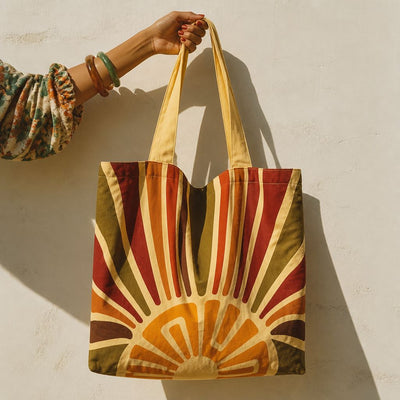
- Taos — warm multicolor stripe, reads well against a light sand background, hides small stains between washes better than a solid color would.
- Kasbah — cooler palette with a stepped medallion, a better match if your beach bag and towel are already in blues or greys.
Where Else It Works Beyond the Beach
Because it's flatter and grippier than a full blanket, it does double duty as a park mat for an outdoor concert, a stadium seat cushion substitute, or a flat surface to unpack a cooler on at a tailgate. It's not marketed as any of those things specifically, but the same qualities that make it good on sand — low profile, doesn't bunch — make it useful anywhere you need a defined flat spot on uneven ground.
What a Mat Won't Do
It's not a beach towel. It won't dry you off after a swim, and it's not going to replace one in your bag. It's also not waterproof — it's a woven cotton-blend fabric, so if you set it down on wet sand it'll wick moisture up from underneath the same way any woven textile does. If you're set on something that repels standing water, you want a coated tarp-style mat, not a woven one, and we'd rather tell you that now than have you find out the first time you set it near the tideline.
Getting the Sand Out When You're Home
Shake it out over a trash can before it goes anywhere near your washing machine, then machine wash cold and skip the dryer sheets — they leave a film on woven fabric that actually makes it grab sand more over time. Air dry or tumble on low.
Quick Questions
Is it sand-free?
No fabric mat truly is. Dry sand shakes out easily; wet sand needs a rinse.
Can I leave it in the sun all day?
Occasional use is fine. We wouldn't leave any woven textile staked out in direct sun for days at a time — the color will fade faster than normal wear and tear would cause.
Does it come in a specific size?
We don't publish exact dimensions here since it varies by run — check the product page for the current listing before you buy if size is a dealbreaker.
For the fuller comparison between blankets and other beach textiles, our beach blanket guide is worth reading. And if "sand-free" claims from other brands have you skeptical, our sand-free beach blanket breakdown covers why that promise rarely holds up. Ready to pick a pattern? The beach mats collection has both Taos and Kasbah in stock.


