













Black is the default answer in car interiors, and defaults deserve interrogation. Black seat covers hide coffee, mud, wear and sins — that part of the reputation is earned. But two things laugh at black, and you should know both before committing.
What black conceals brilliantly
Stains, first and forever: the latte that would haunt cream fabric simply vanishes into black. Fade evenness, second — black fades slower and more uniformly than saturated colors. And presentation: a black-covered interior always photographs tidy, which matters at resale time more than people admit.
The two things black can't hide
Heat. Black fabric in summer sun gets meaningfully hotter than cream or sand tones. If your car lives outside in a hot climate, that's a daily tax. Light-colored hair. Golden retriever owners: black is the single worst color you can pick. Every strand shows. (Dog households do better with patterned mid-tones — the dog guide and hair removal playbook both dig into this.)
Two ways to go black
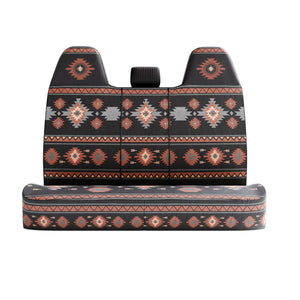
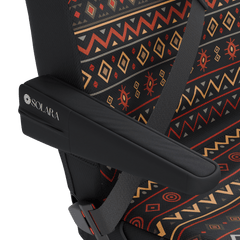
Pure: Ash Black is our straight solid — waterproof, stretch-fit, machine washable, invisible on purpose. Black with a pulse: Karma keeps the black base but weaves grey Aztec geometry through it, and Zara runs fire-orange pattern over black for interiors that want drama with the practicality. Patterned blacks also hide dust and lint better than pure black does — pattern breaks up the surface the way solid never can.
The quality bar doesn't change with color
Black hides stains, not bad construction. Stretch fit over straps, coating over water resistance (the difference), airbag-seam-safe design (the rule), cold-cycle washable (routine). Start with the Plain Collection for the solids and the Signature Collection for black with personality.


