












Everyone owns seven canvas tote bags and loves none of them. That's the strange economy of the tote: conferences and bookshops hand out flimsy ones for free, so the whole category reads as disposable — until you carry a properly built one and understand what the freebies were imitating. Here's the education, so your eighth tote is the last one you think about.
Weight is the whole story
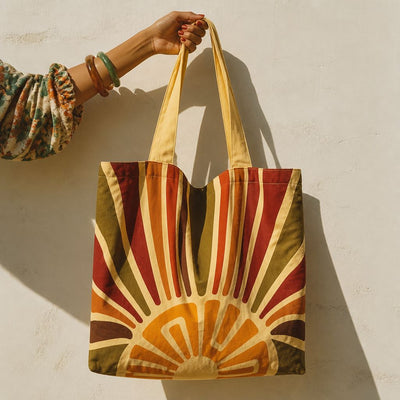
Canvas is measured in ounces per square yard, and the number tells you almost everything. Freebie totes run 4–6oz — translucent, shapeless, seams that surrender to a watermelon. Mid-grade sits at 8–10oz. Serious totes start at 12oz, which is where canvas stands up on its own, shoulders real grocery weight, and survives years of machine washing. Ours run 12oz outer with a 10oz liner — a double wall, because single-layer totes print their contents' corners through the fabric.
The anatomy checklist
- Gusset: the side-and-bottom depth. Flat totes hold documents; gusseted totes (ours run 13 cm) hold groceries, laptops and beach days without strangling them.
- Handle drop: long enough to shoulder over a jacket — short-handled totes become hand-only, and hands are always full.
- Stitching: look for reinforcement where handles meet body; it's where every cheap tote dies.
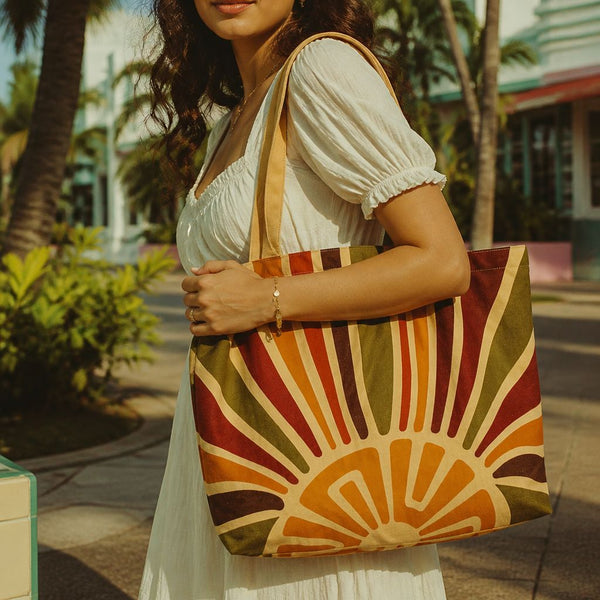
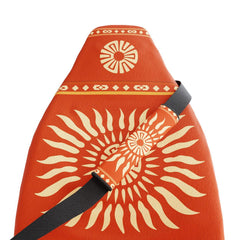
- Print quality: a design should be part of the fabric conversation, not a decal waiting to crack — the difference is visible up close.
Why canvas wins the bag wars
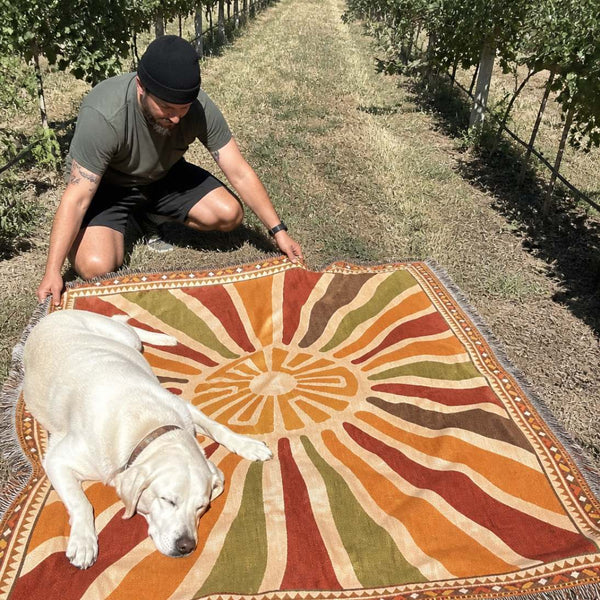
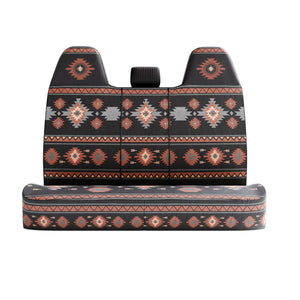
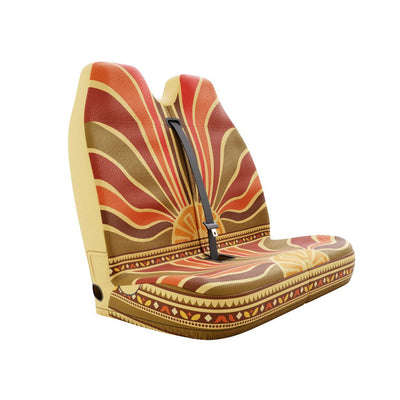
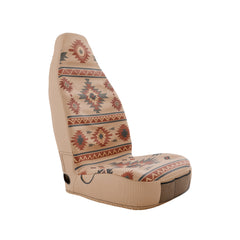
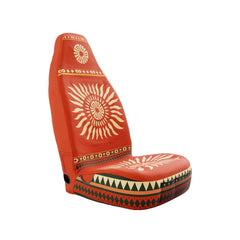
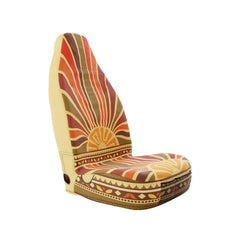
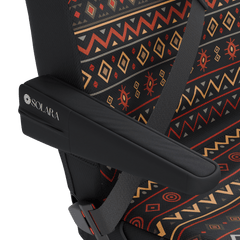
Leather is heavy and precious about rain. Nylon is light and looks it. Cotton canvas hits the working middle: machine washable (the how-to), better-looking with age, and strong enough that a 17-inch laptop is a passenger, not a risk. Our tote collection puts Solara's seat-cover prints on that spec — Zara's Aztec diamonds, Indigo's 70s daisies — so the bag matches the car, which matches the rug, which is the whole point of us.


