





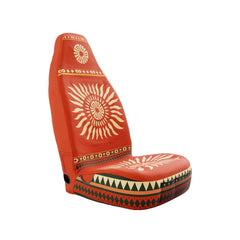
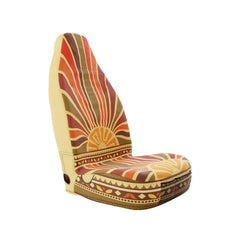


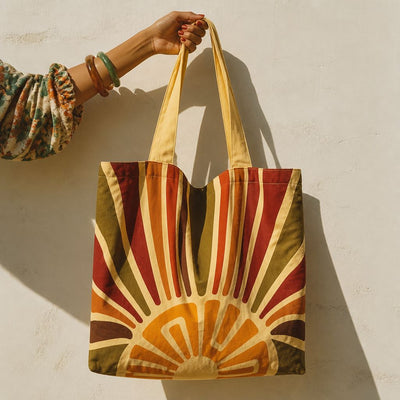








Every car leaves the factory identical to fifty thousand siblings, and every owner eventually feels the itch to fix that. The results split into two schools: cars that feel personal — coherent, considered, somehow more theirs — and cars wearing the aftermarket clown suit of unrelated gadgets. The difference isn't budget. It's three principles.
Principle one: reversible before permanent
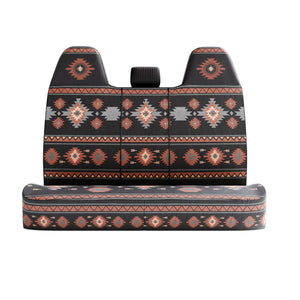
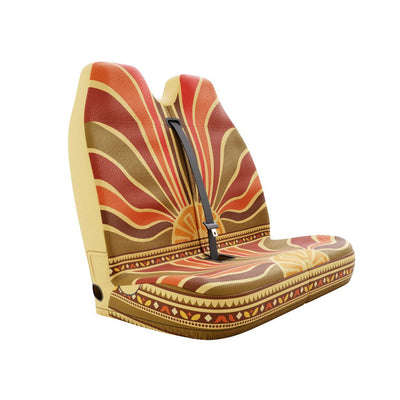
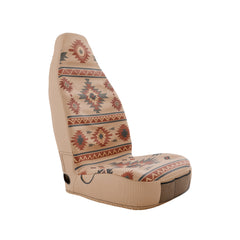
Wraps, tints and paint are commitments; textiles and bolt-ons are conversations. Start with everything that can be undone — seat covers, plate frames, floor and cargo textiles — and live with the direction before anything irreversible happens. Resale value agrees with this order, loudly (the math).
Principle two: personalize the touchpoints
The hierarchy that matters is contact, not visibility from the street: the seats you inhabit an hour a day, the armrest under your elbow, the belt against your collar. Money spent where your body lives pays daily; chrome trim on the grille pays never. (The full inside-out layering system is the boho accessories guide.)
Principle three: one palette, inside and out
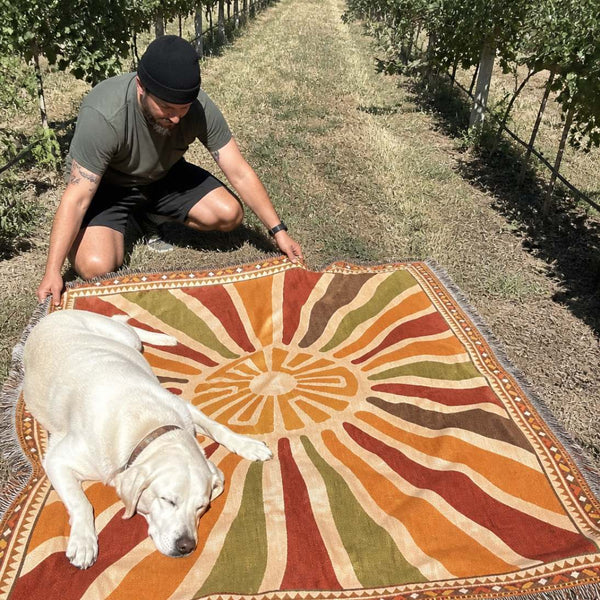
Coherence is the whole secret. Pick a single design language — say, a Solara print — and let it run: Zara on the seats, the matching frames on the plates (US & Canada), the tote riding shotgun, the rug in the trunk. Four objects, one voice — and the car reads as designed in a way no pile of unrelated accessories achieves. That cross-matching is, frankly, the entire idea our catalog is organized around.
Personal without costume: reversible, touch-first, coherent. The gift-sized version of this philosophy is in the new-car-owner guide.


