













You can spot road trip veterans by how they pack: not more stuff, better-placed stuff. The difference between a trip that flows and one that's constant rummaging is a simple three-zone system — and a little protection for the car that has to absorb 2,000 miles of living.
Zone 1: reachable without stopping
- Snacks and water in a door or console spot (not a bag on the floor that migrates)
- Phone charger, offline maps downloaded, sunglasses
- Napkins and a dedicated trash bag — hang it, empty it at every fuel stop
- Layers: one warm thing per person within reach, because someone's always cold
Zone 2: the trunk system
- One bag per person plus one shared house-bag (toiletries, chargers, laundry)
- The safety kit that should live there year-round — full checklist in car essentials
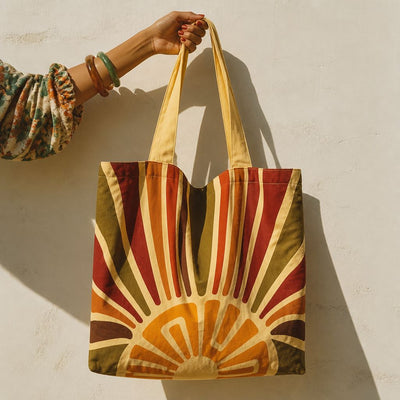
- A canvas tote flat-packed for groceries, beach days and motel-room ferrying
Zone 3: the comfort layer
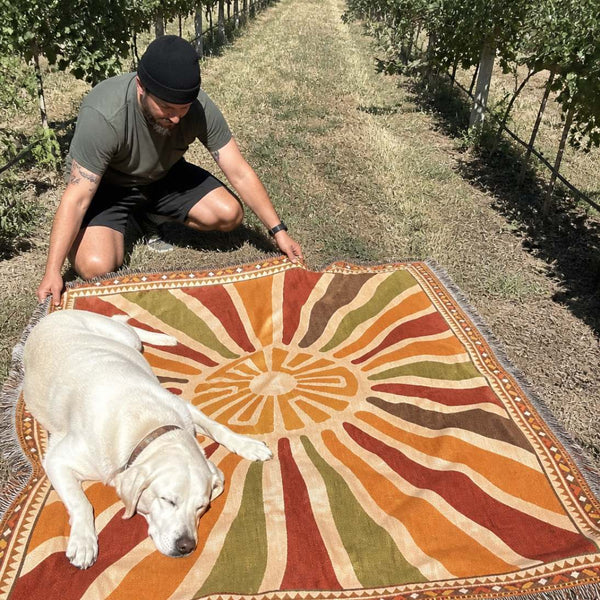
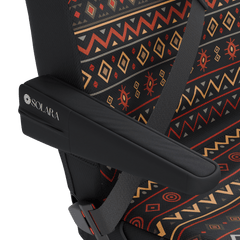
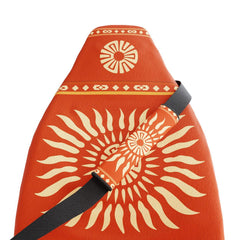
This is what separates “driving for ten hours” from “traveling well.” A jacquard throw rug is the single best object in the car: rest-stop picnic base, beach blanket, scenic-overlook seat, spare warmth on night drives, and trunk liner between uses. Padded belt sleeves matter around hour four, when the webbing edge starts sawing — cheap fix, every passenger notices.
Protecting the car from the trip
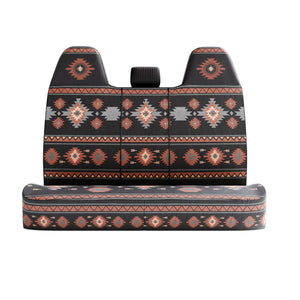
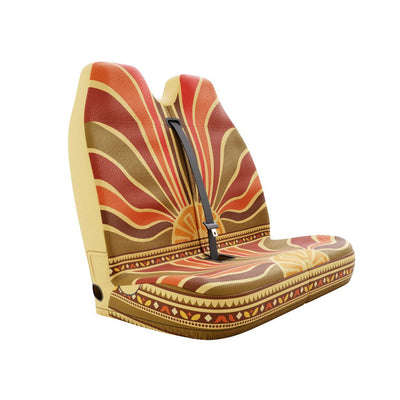
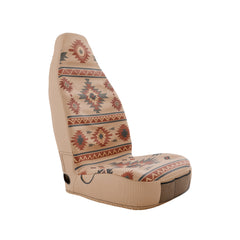
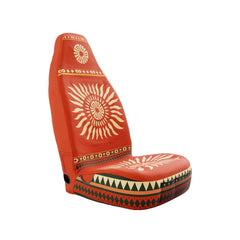
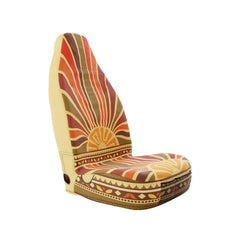
Long trips are concentrated interior abuse: gas-station coffee, fast food, wet swimsuits, a dog in the back. Waterproof seat covers mean every one of those becomes a wipe or a post-trip cold wash instead of a permanent souvenir — install is a minute per seat before you leave (guide). Traveling with the dog? The dog cover guide and the dog hair playbook are the pre-trip reads.
Pack the zones, protect the surfaces, and the car comes home as ready for the next trip as you are.


