



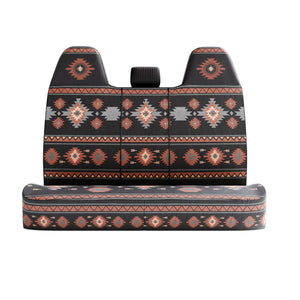

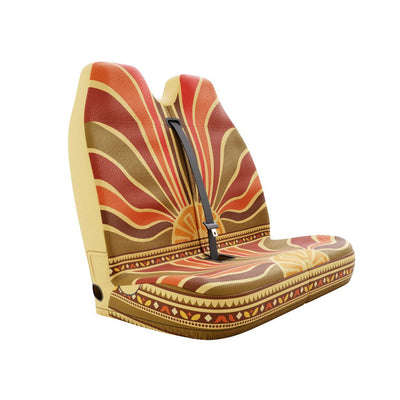


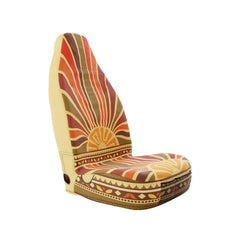











The Chevy Express has been built, essentially unchanged, since 1996. That's not a criticism — it's the whole appeal. Cheap to buy, simple to fix, and there are hundreds of thousands of them hauling tools, church groups and increasingly budget camper conversions. Every one of them has a cab that's seen things. Chevy Express seat covers are the renovation that costs less than a tank of gas.
Cab layouts across three decades
Cargo vans run two front buckets — vinyl or cloth, both standard shapes with separate headrests that take a universal stretch cover in about a minute. Passenger vans add bench rows behind; those benches are wide and belt-integrated, so measure against the size guide and read the bench cover guide before ordering — or protect them the loose way with washable rug layers, which passenger-van owners often prefer for rows that get folded and yanked.
For the worn ones (most of them)
A twenty-year-old Express usually has cracked vinyl or fabric worn to the foam — and replacement upholstery costs more than the van's next service. A stretch cover over damaged seats is the honest fix: it looks intentional, feels better than cracked vinyl, and washes cold (the full old-seat playbook). For work vans, Ash Black and Clay brown hide the job site; for the budget-conversion crowd, Savana makes a 1999 cab look like a decision.
The Express's GMC twin, the Savana, is identical under the badge — everything here applies. Newer-van drivers: the Transit and ProMaster guides cover the modern fleet.


