













Cloth or leather is the oldest options-list debate in car buying, and dealers resolve it with one word: resale. Real life is more specific than that. Here's the comparison by what actually happens in the seat — and the protection answer for both.
Where leather wins
- Wipeability: surface spills wipe before they soak — leather's genuine advantage with kids' accidents caught fast.
- Perceived value: resale listings with leather photograph better and price higher.
- No odor absorption: smoke and dog smell cling less than in fabric.
Where cloth wins
- Climate: no scalding in July, no ice-slab in January, no sweat-stick on bare legs — the daily-comfort win nobody prices in.
- Durability curve: cloth wears slowly and evenly; leather looks perfect until it suddenly cracks, and then only a trim shop fixes it (at these prices).
- Cost: the leather package's €1,000–2,500 buys a lot of fuel.
- Grip: child seats and cargo stay put on fabric; they skate on hide.
The plot twist: both need the same protection
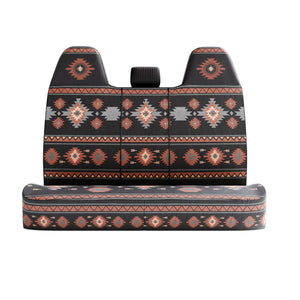
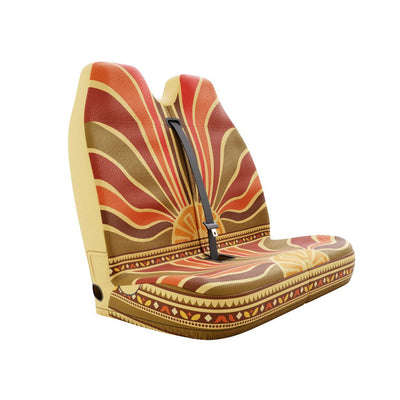
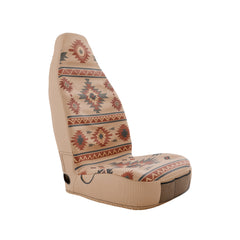
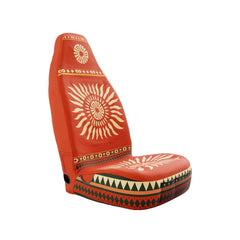
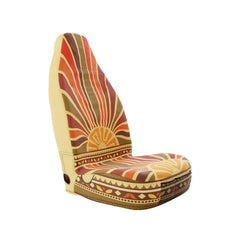
Cloth's weakness is absorption — it drinks coffee and holds dog smell (cleaning guide, for when it's already happened). Leather's weakness is UV and friction — sun and jean rivets age it fast (the leather playbook). A waterproof universal cover neutralizes both failure modes at once: coating stops absorption on cloth, fabric stops UV-and-abrasion on leather, and everything machine washes (care). It even resolves the climate complaint — breathable fabric over leather ends the July-scald.
The buying answer
Kids, dogs or hot summers: buy cloth, cover it, spend the leather money on the trip. Resale-focused or leather-loving: buy leather, cover the driver's seat at minimum, and uncover for the sale — year-one hide under the cover is exactly what the next buyer pays for. Deeper material comparisons: waterproof vs leather and the faux leather truth.


