














Every car seat eventually meets its coffee. How well the story ends depends on what the seat is made of, how fast you act, and whether you use the right method — the wrong one sets the stain permanently. Here's how to clean car seats properly, and the honest word about prevention at the end.
Fabric seats: the standard method
- Vacuum first. Always. Rubbing a dirty seat grinds grit into the weave — vacuum the seat and the seams before anything wet touches it.
- Mix mild. Warm water with a drop of dish soap, or a dedicated upholstery cleaner. Skip anything with bleach or ammonia.
- Blot, don't scrub. Dampen a microfiber cloth (not the seat — soaked foam grows mildew), work from the stain's edge inward, and blot dry with a second cloth.
- Low moisture, long dry. Doors open, an hour minimum. Trapped moisture is how clean seats end up smelling worse than dirty ones.
Stain-by-stain
- Coffee: cold water immediately, blot, then the soap method. Heat sets tannins — no hot water.
- Grease: sprinkle baking soda, let it sit 15 minutes to absorb, vacuum, then clean as usual.
- Ink: isopropyl alcohol on a cotton pad, dabbed not rubbed, tested on a hidden spot first.
- Vomit or milk (parents know): act fast, use an enzyme cleaner — it digests the proteins that cause the lasting smell. Baking soda overnight for residual odor.
Leather and faux leather
Vacuum, then wipe with a barely damp cloth and a pH-neutral leather cleaner. Never soak, never use dish soap (it strips the finish), and condition afterwards so the surface doesn't dry and crack. Sun is leather's real enemy — more in our waterproof vs leather comparison.
The honest part: cleaning is the tax on being uncovered
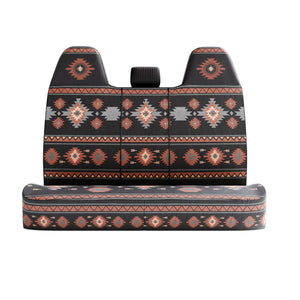
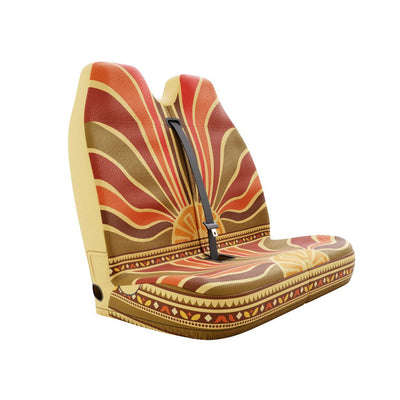
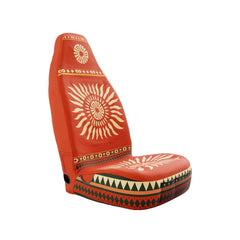
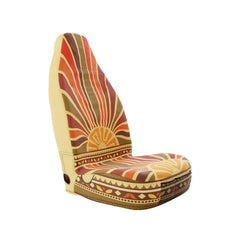
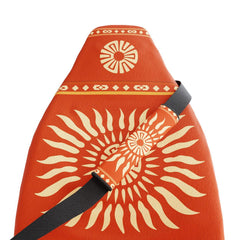
Every method above has a failure rate — some stains win, and foam that's absorbed a spill is never fully clean again. The reason waterproof seat covers exist is that they move the whole problem: spills bead on the coating instead of soaking in, and “cleaning” becomes a cold machine cycle instead of an afternoon with a scrub brush. If a seat is already stained beyond saving, a cover is also the instant cosmetic fix (see making old seats look new).
Clean what you have, cover what you want to keep — that's the whole strategy.


