





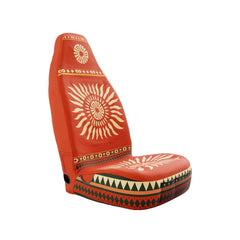
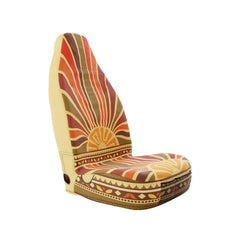








Waterproof seat covers use materials like neoprene, PVC-coated polyester, or TPU to block liquids from reaching your seats. Standard seat covers, made from fabrics like polyester, canvas, or leatherette, focus on protecting against wear, sunlight, and minor dirt.
The best seat cover for you depends on how often your seats get wet, your local climate, who rides in your car, and whether you care more about comfort or protection.
What's the Difference Between Waterproof and Standard Seat Covers?
The main difference is how each cover is made and how it handles liquids. Waterproof seat covers have sealed stitching and water-repellent layers to keep spills from soaking into your seats. Standard covers can absorb moisture, which may cause mold or damage the fabric over time.
"Water-resistant" and "waterproof" Water-resistant" and "waterproof" mean different things. Water-resistant covers can handle small splashes but won't protect against heavy or long-lasting spills. Fully waterproof covers, especially those made from neoprene or TPU, keep liquids out even during long exposure.
Waterproof Seat Covers: Materials, Strengths, and Limitations

Neoprene is the most popular material for waterproof seat covers. It's the same type of rubber used in wetsuits, so it's flexible, tough, and keeps out liquids. With daily use, neoprene covers usually last five to seven years.
PVC-coated polyester is a lower-cost alternative. It provides waterproofing but lacks the stretch and comfort of neoprene, making it more prone to cracking in cold temperatures below freezing.
TPU-laminated fabric is a newer, high-end material. It stays waterproof but lets your seats breathe better than regular neoprene.
Key Advantages
-
Complete protection against spills, pet accidents, mud, and construction debris
-
A wipe-clean surface reduces cleaning. You can easily wipe these covers clean, which saves time and lowers maintenance costs in the long run by trapping moisture.
-
Higher resale value protection for the original upholstery
Known Limitations
-
Neoprene and PVC covers can get hot, especially in places where temperatures go above 85°F (29°C).
-
Higher upfront cost compared to standard fabric options
-
Because these covers are thicker, they can make seats feel a bit shallower, which might be less comfortable for shorter drivers.
Best Use Cases
Waterproof covers are ideal for pet owners, families with young kids, people who work outdoors, and anyone living in rainy areas like the Pacific Northwest or places with monsoon seasons.
Standard Seat Covers: Materials, Strengths, and Limitations

StaStandard seat covers are made from breathable fabrics that focus on comfort and style rather than blocking liquids. Common materials include woven polyester, canvas, leatherette (fake leather), velour, and sheepskin. Polyester is the dominant material in budget- to mid-range standard covers. It resists UV fading and wear but absorbs liquids without treatment. Canvas is used in heavy-duty standard covers for trucks and utility vehicles, offering abrasion resistance without waterproofing.
Leatherette covers look like real leather but cost less. They can handle small spills on the surface, but since the seams aren't sealed, liquids can eventually seep through the stitching.ior breathability reduces heat buildup during long drives.
-
Wide range of styles and colors. They feel softer to sit on, which is great if you want maximum comfort. mfort-focused applications.
-
Standard covers usually cost 30–50% less than similar waterproof covers.
Known Limitations
-
They can soak up stains and smells from spills, so you might need to wash them in a machine or get them professionally cleaned.
-
Fabric covers may start to pill, fade, or stretch if you use them a lot, sometimes within 18 to 24 months.
-
They don't protect well against pet accidents, since liquids can soak through the fabric and reach the seat padding.
Best Use Cases
Standard covers are a good fit for people who drive in dry cities, ride-share drivers who want passengers to be comfortable, and anyone who cares about how their car looks but doesn't deal with many spills.
Which Seat Cover Should You Choose?
When choosing seat covers, think about how often your seats get wet, your climate, who rides with you, and your budget over the next three to five years.
Choose waterproof covers if:
-
You transport pets or children regularly.
-
You work in outdoor, agricultural, or trade environments.
-
Your climate experiences frequent rain or humidity above 70%
-
You plan to sell your vehicle and want to protect the OEM upholstery value.
Choose standard covers if:
-
Your primary concern is comfort during long commutes.
-
You live in a dry, low-humidity climate.
-
Your vehicle is used mainly for solo urban driving.
-
You prioritize aesthetics and OEM interior appearance.
A hybrid approach is viable for families. Families can mix and match: use waterproof covers on the front seats and standard covers in the back where fewer people sit. In places with wet and dry seasons, some people switch between neoprene and breathable covers depending on the time of year. need covers with sealed seams and scratch-resistant surfaces. Neoprene resists claw puncture better than PVC. Pet hair release is higher on smooth, waterproof surfaces than on fabric weaves.
Families with young kids should choose covers made from non-toxic materials, ideally certified by standards like OEKO-TEX Standard 100. Make sure the covers also work with LATCH systems for car seats.
If you drive a truck or SUV, your seats may get more wear from people getting in and out. Heavy-duty neoprene or reinforced canvas waterproof covers work better than cheaper, universal-fit. Ride-share and taxi drivers need covers that are quick to clean. Waterproof covers you can wipe down save a lot of time compared to fabric covers that need to be washed. Underlying.
If you work in construction or trades, your seats might get dirty from cement, oil, or chemicals. PVC-coated covers are easy to clean but can wear out faster if exposed to harsh chemicals. Neoprene handles chemicals better.
Durability and Maintenance Comparison.

Waterproof covers don't need to be cleaned as often because they don't soak up spills. You can usually wipe them down with a damp cloth or mild soap. Don't machine-wash neoprene covers in hot water, as it can damage the foam.
StaStandard fabric covers should be machine-washed every four to eight weeks if you use them regularly. Washing them often can wear out the fabric and the elastic fasteners over time.
Even though waterproof covers cost more upfront, they usually end up saving you money over five years because they last longer and protect your seats better.
Price vs. Value Analysis
Basic waterproof covers cost $40 to $70 and are made from PVC-coated polyester that fits most cars. Mid-range covers, priced at $80 to $150, use neoprene and are cut to fit specific vehicles. Premium covers, costing $150 to $300 or more, use multi-layer TPU, have stitching that works with airbags, and feature. Standard covers start at about $20 for universal polyester sets and go up to $120 for custom-fit leatherette or sheepskin covers.or sheepskin options.
The main value comes from comparing the cost of repairing your original seats to the cost of protecting them. Fixing one car seat in the U.S. can cost $200 to $750, depending on the material. Spending $100 on a waterproof cover can help you avoid this expense over five to seven years.
Installation and Airbag Safety
You can get both types of covers in universal or custom fits. Custom-fit covers are made for your specific car model, so they fit better and stay in place.
It's essential to make sure your seat covers work with side airbags. Most cars made after 2010 have side airbags built into the seats, so you need covers with special seams that let the airbags deploy properly. Covers that aren't designed for this can interfere with airbag inflation.
Always check that the seat covers you buy clearly say they're safe to use with side airbags. This is important for both waterproof and standard covers.
Frequently Asked Questions
Are waterproof seat covers hotter to sit on?
Yes. Neoprene and PVC materials retain heat more than breathable fabrics. This is most noticeable in vehicles without ventilated seats in climates above 85°F.
Can waterproof seat covers be used on leather seats?
Yes, provided the cover uses an anti-slip backing to prevent movement on smooth leather. Covers without this feature can shift during use, causing friction damage to leather surfaces.
What is the difference between water-resistant and waterproof seat covers?
Water-resistant covers use surface treatments, such as DWR (Durable Water Repellency) coatings, to repel light moisture. Waterproof covers use sealed seams and impermeable base layers that block liquid penetration entirely under sustained exposure.
Will seat covers void a car warranty?
Seat covers do not void a vehicle warranty under the Magnuson-Moss Warranty Act in the United States, provided they do not cause measurable damage to the seat or airbag system.
How often should seat covers be replaced?
Waterproof neoprene covers: every 4–7 years. Standard polyester covers: every 2–4 years, depending on washing frequency and UV exposure.
Final Verdict
Waterproof seat covers are the best choice if your car often gets wet, you have pets, or you work in tough conditions. Standard seat covers are better if you want comfort and don't deal with many spills or messes.
There's no single best seat cover for everyone. The right choice depends on how you use your car and the climate where you live.


