


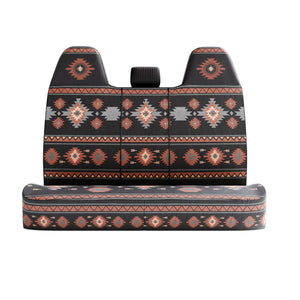

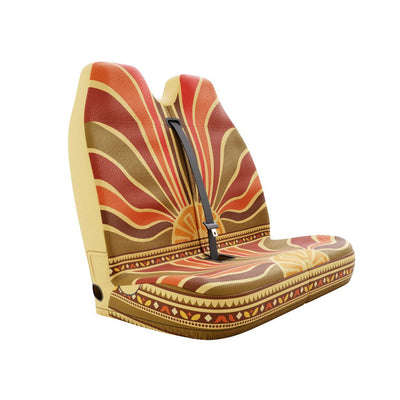

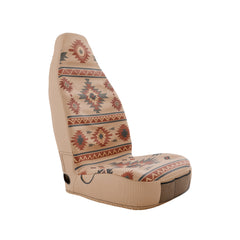

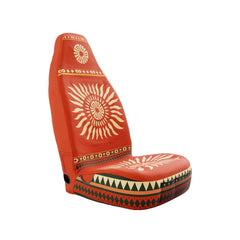
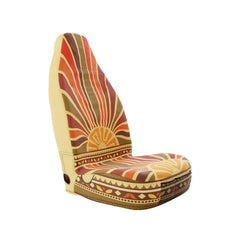



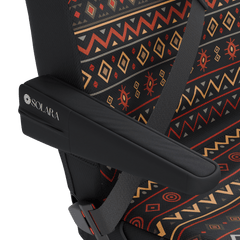


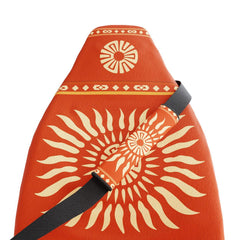



Car seat covers help protect your car’s interior by acting as a barrier between everyday use and the original seats. They prevent lasting damage from spills, sunlight, friction, and contact from pets or kids.
Without seat covers, damage builds up over time. Sunlight causes fading, friction wears down the fabric, and moisture can create lasting odors. Once you notice the damage, fixing it usually costs much more than simply preventing it.
What Car Seat Covers Actually Do to Your Upholstery
A seat cover takes the wear and tear that would otherwise affect the seat’s foam, stitching, and fabric underneath.
Factory seat materials—cloth, leather, or vinyl—are not easy to replace. Reupholstering one seat can cost $200 to $750, depending on the material and car. In comparison, a full set of good seat covers usually costs $50 to $400, making them a smart choice for protecting your interior.
Seat covers do more than just look good. They protect against four main types of damage: spills, sun damage, everyday wear, and bacteria or mold.
How Seat Covers Prevent Liquid and Stain Damage

Fabric seats soak up liquid quickly. If a spill gets into the foam under the fabric, it creates a damp spot where bacteria can grow and odors can develop. Even professional cleaning often can’t get rid of these smells completely.
Waterproof seat covers made from materials like neoprene, PVC-coated fabric, or DRI-LOCK keep spills on the surface. You can easily wipe them off or remove the cover to wash it.
It’s important to know the difference between waterproof and water-resistant covers. Water-resistant covers slow down spills but don’t fully block them, so they work for small messes but not for bigger spills or wet pets. Waterproof covers completely block liquids, no matter how much or how long.
Leather seats are especially at risk from spills. Water can make the leather swell and crack, and acidic drinks can damage the surface even faster. Using a waterproof cover prevents these problems.
UV Exposure and the Long-Term Degradation of Car Seat Materials
Sunlight comes through your car windows all day while you drive or park. Over time, this causes damage to your seats that usually can’t be fixed without replacing them.
In fabric seats, sunlight fades or bleaches the color. In leather and vinyl, it causes the surface to crack, become brittle, and peel or flake, which is common in older cars.
UV-blocking seat covers have special additives that stop sunlight from reaching your seats. Neoprene and high-quality polyester covers with UV protection are the most common choices.
You can also use a windshield sunshade along with UV-blocking seat covers when your car is parked. This reduces both sunlight and heat inside your car.
Friction, Microtears, and the Damage Caused by Daily Entry and Exit
The driver’s seat gets the most wear in any car. The outer edge, called the bolster, takes the most friction every time you get in or out. On fabric seats, this wears down the fibers. On leather, it slowly removes the top layer and exposes the material underneath.
Another problem is tiny particles like sand, grit, or crumbs that get between your clothes and the seat. Every time you move, these act like sandpaper, causing small tears in fabric or scratches in leather. Over a year or so, this leads to visible wear.
A seat cover stops this kind of damage. Dirt and crumbs touch the cover instead of the seat, and you can just remove and clean the cover, keeping your seats in good shape.
If you have pets, seat covers also protect against claw marks and scratches, which are especially expensive to fix on leather seats.
Seat Cover Materials and Their Protection Properties

The material you choose for your seat covers affects how well they protect your seats. Here are the most common types and what they’re best for:
Neoprene is the best all-around protective material. It’s waterproof, resists sunlight, and doesn’t tear easily. It was first made for wetsuits and fits tightly to your seats, making it great for wet or sandy conditions. The main downside is that it doesn’t breathe well in hot weather.
Eco-leather and faux leather covers are waterproof and look like real leather. They resist stains, are easy to clean, and are a good choice if you want your car to look nice while staying protected.
Polyester canvas is breathable and affordable. It handles small spills and everyday wear, but isn’t fully waterproof. It’s a good option for daily drivers in mild climates where comfort is as important as protection.
Ballistic nylon and heavy-duty canvas are made for work vehicles. They resist punctures, heavy wear, and constant friction, making them ideal for jobs in construction, farming, or emergency services where seats get damaged quickly.
The table below maps material to the primary protection type:
|
Material |
Liquid |
UV |
Tear/Abrasion |
Breathability |
|
Neoprene |
High |
High |
High |
Low |
|
Eco-leather |
High |
Medium |
Medium |
Low |
|
Polyester canvas |
Medium |
Medium |
Medium |
High |
|
Ballistic nylon |
Medium |
Medium |
Very High |
Medium |
Custom Fit vs. Universal Covers: Why Fit Determines Protection Quality
If a seat cover doesn’t fit well, it leaves gaps around the edges and headrest. These spots are where seats get worn out or stained the most.
Custom-fit covers are made to match your car’s exact seat shape. They cover all areas, fit neatly around seat controls, and usually have special seams for side airbags.
Airbag compatibility is a structural safety requirement, not an optional feature. Federal Motor Vehicle Safety Standard FMVSS 302 governs the flammability of interior materials, and reputable manufacturers, including Solara Covers and WeatherTech, design covers with airbag-safe seams that deploy correctly. Universal covers do not always meet this standard consistently across all vehicle models.
Don’t forget about heated or ventilated seats. Thick covers like neoprene can block heat or airflow. Thinner eco-leather or perforated covers work better if your car has these features.
How Seat Covers Protect Your Vehicle's Resale Value

The condition of your car’s interior is a key factor in its resale value. Manheim Auto Auctions reports that cars with “Excellent” interiors sell faster and for more money than those rated just “Good.” Seats can increase a car's perceived value by $500 to $1,000, depending on make and model, according to Seat Cover Solutions, and some sources cite higher figures for luxury segments.
The mechanism is straightforward. When you sell or trade in your car, it’s simple: if you remove seat covers before selling or trading in your car, the original seats look almost new. No stains, fading, or wear shows buyers and appraisers that you’ve taken good care of your car.de-in values 15 to 20 percent higher than those with worn original upholstery, according to independent assessments cited by seat cover manufacturers.
For leased cars, the savings are even clearer. Lease inspections check for damage to the original seats, and repairs can cost $200 to $800 per seat panel. Using seat covers can help you avoid these extra charges.
Choosing the Right Seat Cover for Your Use Case

The best seat cover for you depends on what kind of damage your car is most likely to face.
If you have pets, look for covers that are fully waterproof, resist scratches, and have a non-slip backing. Rear bench or hammock-style covers that protect both the seat and footwell work best.
Families with kids should choose covers that are machine-washable, don’t release harmful chemicals, and allow access to LATCH anchors for car seats. Always check that the cover is approved by your car seat’s manufacturer, since using the wrong one can void the warranty.
Work vehicles that get a lot of use need covers made from tough materials like ballistic nylon or heavy-duty canvas. In these cases, it’s more important that covers are breathable and easy to wash than how they look.
Luxury or leased cars do best with custom-fit eco-leather or perforated leather covers. These keep the original look, work with heated or ventilated seats, and can be removed easily before selling or returning the car.
The Case for Early Installation
Seat covers work best when you put them on before any damage happens. Once leather cracks or fabric stains set in, covers can only hide the problem, not fix it.
Putting on good seat covers right after you buy your car keeps the seats looking new, cuts down on cleaning, and helps your car’s interior look its best when you sell or return it.
The total investment, typically $100 to $400 A full set of custom-fit seat covers usually costs $100 to $400. That’s much less than reupholstering even one seat, and it’s a small price compared to the difference in resale value between a well-kept and a worn-out interior.


