












Car seat covers are the single most effective way to protect your vehicle's interior from wear, stains, UV damage, and daily use, and choosing the wrong type means wasted money and a poor fit.
The right cover depends on four factors: your seat type, your material preference, your primary use case, and your budget. This guide covers all four so you can make a confident, informed decision.
Why Car Seat Covers Are Worth the Investment
Vehicle interiors depreciate faster than most owners expect. The driver's seat, in particular, absorbs daily friction, UV exposure from windows, moisture from clothing, and contact with rough materials like denim and workwear.
In the USA and Australia, resale value is a primary driver of seat cover adoption. A vehicle with clean, undamaged upholstery commands a measurably higher private sale price compared to one with faded, cracked, or stained seats. Protecting the OEM upholstery from day one preserves that value passively.
Beyond resale, seat covers reduce cleaning time significantly. A waterproof seat cover can be wiped down in seconds. Untreated fabric upholstery absorbs spills into the foam layer beneath, a problem that spot cleaning cannot fully reverse.
Types of Car Seat Covers: What the Market Actually Offers

Not all seat covers are built the same. The product category splits into three functional types, each serving a different purpose.
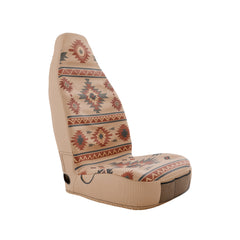
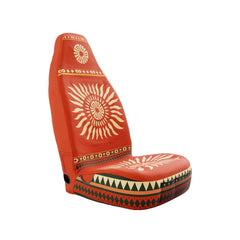
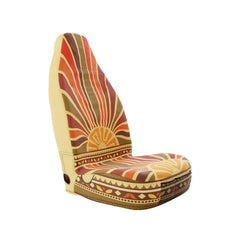
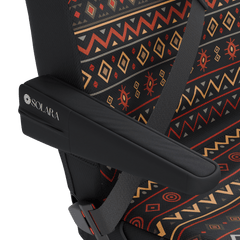
Single front seat covers are designed for the driver's seat or individual passenger seats. These are the most commonly purchased types because the driver's seat is the first area to show wear. Brands like Solara Covers offer single front seat covers starting at $63.69 USD, a practical entry point that covers the highest-traffic seat without requiring a full-vehicle purchase.
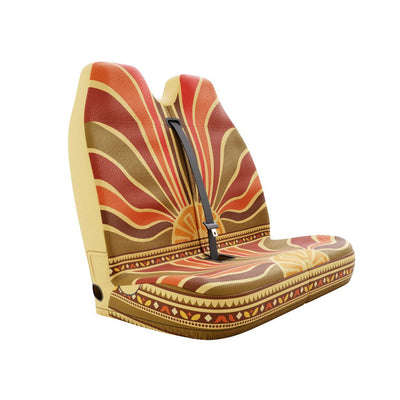
Double front seat covers cover both front bucket seats as a matched set. These are ideal when both driver and passenger seats need equal protection, or when you want a consistent aesthetic across the front cabin.
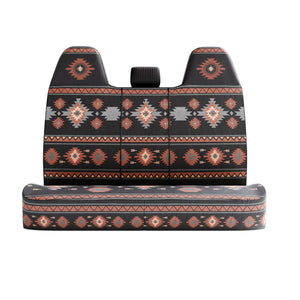
Rear and bench seat covers are used in family vehicles, trucks, and SUVs where rear passenger use is frequent. Split-bench configurations (40/60 or 60/40) require covers that accommodate the fold-down gap, so verifying split-bench compatibility before purchase is essential.
Car Seat Cover Materials: The Decision That Matters Most
Material selection determines breathability, durability, water resistance, and long-term maintenance. Each material category has a specific performance profile.
Polyester and fabric blends are the most common entry-level material. They are breathable, machine washable, and available in the widest range of patterns and colors. The trade-off is that most polyester covers are water-resistant rather than fully waterproof, fine for everyday use, but insufficient for heavy pet transport or outdoor environments.
Faux leather (PU leatherette) is the most popular premium-look option. It resists liquid penetration better than fabric, wipes clean easily, and maintains a professional appearance. However, faux leather traps heat in summer, a relevant consideration for Australian drivers in Queensland, New South Wales, and Western Australia, as well as US drivers in Florida, Texas, Arizona, and California.
Neoprene is a synthetic rubber material used in wetsuits. In car seat covers, it delivers genuine waterproofing, UV resistance, and durability under high-heat conditions. Neoprene is particularly well-suited to beach-adjacent lifestyles, surfing communities, and trades workers who carry equipment. It is one of the most popular materials in coastal Australia precisely because of its resistance to salt water, sand, and prolonged sun exposure.
Canvas and heavy-duty woven fabrics (associated with workwear brands like Carhartt in the US market) are built for tradespeople, farmers, and off-road drivers. These materials resist abrasion from tools, work boots, and rough clothing far better than standard polyester or faux leather.
Sheepskin and wool-blend covers regulate temperature passively, warm in cold climates, cool in hot ones, due to natural fiber wicking. These remain popular in Southern Australia and cooler US states like Minnesota, Colorado, and the Pacific Northwest.
Microsuede and suede-effect fabrics offer a soft, premium texture and reasonable stain resistance. They suit drivers who prioritize interior aesthetics over heavy-duty protection.
Universal Fit vs. Custom Fit: The Most Common Buying Mistake
The distinction between universal and custom-fit covers is where most buyers make an avoidable error.
Universal fit covers are designed to approximate the shape of most standard seats. They install quickly using elastic bands, adjustable straps, and seat hooks. The advantage is cost and transferability, a universal cover can move between vehicles. The disadvantage is visible gaps at the seat base, imprecise headrest coverage, and potential interference with integrated seat controls on newer vehicles.
Custom or semi-custom fit covers are patterned to specific vehicle makes, models, and trim years. For example, a cover built for a Toyota RAV4 2022 accounts for that seat's exact contour, side bolster position, and headrest post spacing. The result is a clean, OEM-like finish.
The most critical factor in this decision is side-curtain airbag compatibility. Many modern vehicles, including the Ford F-150, Toyota HiLux, Honda CR-V, and Subaru Outback, have side airbags integrated into the seat bolsters. A cover that lacks an airbag-compatible seam can obstruct airbag deployment in a collision. Always verify airbag compatibility before purchasing any cover for a vehicle manufactured after 2010.
How to Choose Car Seat Covers by Use Case

Matching the cover to your actual usage pattern produces better results than choosing by appearance alone.
Pet owners should prioritize waterproof materials with reinforced stitching at contact points. Hammock-style rear seat covers that bridge the gap between front and rear headrests prevent pets from falling into the footwell during braking. For front seats with dogs present, neoprene or PU leatherette covers with anti-scratch surfaces are the appropriate choice.
Families with young children need covers that withstand food spills, juice, and diaper-change incidents. Machine-washable polyester or wipe-clean faux leather are the two practical options. Covers with anti-slip backing prevent shifting during child car seat installation.
Rideshare and Uber/Lyft drivers in the USA and Australia require a cover that looks presentable to passengers and wipes clean between rides. PU leatherette in black or charcoal, with a tailored fit, meets both requirements. Durability under high-cycle use (multiple entries and exits per day) is the key performance metric.
Outdoor and off-road drivers, including 4WD enthusiasts common in rural Australia and the American Mountain West, need covers that tolerate mud-caked clothing, wet gear, and abrasive footwear. Canvas, neoprene, or heavy-duty polyester with reinforced seams are the appropriate material categories.
Drivers in high-UV environments, such as Arizona, Nevada, and Queensland, for example, should prioritize UV-stabilized materials and avoid thin polyester covers that fade and degrade rapidly under prolonged sun exposure. Solara Covers, for example, designs its seat cover range with both the US and Australian markets in mind, accounting for the climatic demands of both regions.
Key Features to Verify Before Buying
Beyond material and fit type, several specific features determine whether a cover performs well in real-world use.
Airbag-compatible stitching is non-negotiable for any vehicle with side-integrated airbags. This feature should be listed explicitly in the product specifications, not assumed.
Anti-slip backing prevents the cover from migrating during entry and exit. This is particularly relevant for covers used with smooth OEM leather seats, where friction between cover and seat is minimal.
Headrest compatibility matters because many sets are sold without headrest covers, leaving the most visible part of the seat unprotected. Verify whether headrest covers are included or sold separately.
Split-bench configuration support is essential for truck and SUV rear seats. A cover designed for a solid bench will not install correctly on a 60/40 fold-down configuration.
Washing instructions determine maintenance feasibility. Covers that require hand washing or professional cleaning create long-term friction for users with active lifestyles.
What to Expect at Each Price Point
Understanding the price-to-performance relationship prevents under- and over-spending.
At the $50–$70 USD range, buyers access single-seat covers in quality materials with professional-grade construction. Solara Covers' single front seat covers are priced at $63.69 USD, positioning them in the segment where build quality, material performance, and design finish meaningfully exceed budget-tier products without reaching the custom-fit price ceiling. For Australian buyers, Solara Covers prices in AUD and includes taxes, customs, and duties in the listed price, removing the hidden-cost problem common with international orders.
At $100–$200 USD, buyers typically access full front seat sets in neoprene or semi-custom PU leather.
At $200–$500 USD, precision custom-fit sets covering the full vehicle interior front and rear from brands like Covercraft or CalTrend become accessible.
Above $500 USD, OEM-equivalent leather replacement seat covers and factory-authorized trim upgrades represent the top of the market.
How to Install Car Seat Covers Correctly
Incorrect installation is the leading cause of poor fit and premature wear. The process applies across most universal and semi-custom covers.
Start by cleaning the seat thoroughly before installation. Dirt and debris trapped beneath a cover create abrasion that damages the OEM upholstery. Remove the headrest, thread the headrest posts through the cover's designated openings, and reattach.
Route the rear strap beneath the seat base and secure it to the seat frame or the underside hook points. Tuck the side edges firmly into the seat-back gap using the provided plastic installation tools or a flat, non-scratching implement. Reinstall the headrest covers last.
For covers with airbag-compatible seams, confirm the seam aligns with the bolster airbag exit point on your specific seat. Consult the vehicle's owner manual for the airbag deployment path if uncertain.
How to Maintain Car Seat Covers

Maintenance requirements vary directly with material type.
Polyester and fabric covers can typically be machine-washed on a cold, gentle cycle and air-dried flat to retain shape. Avoid tumble drying, which degrades elastic components and causes shrinkage.
Faux leather and neoprene covers require a damp cloth with mild soap for routine cleaning. Avoid petroleum-based cleaners, which degrade PU coatings over time. For neoprene specifically, rinsing with fresh water after salt or beach exposure extends material life significantly.
Most quality covers last three to five years under regular use before elastic components or stitching show meaningful wear.
Common Mistakes That Lead to Poor Results
Buying without confirming airbag compatibility is the highest-stakes mistake; it is a safety issue, not just a fit issue.
Purchasing universal covers for a vehicle that warrants custom fit results in gaps, bunching at the seat base, and a less-than-professional appearance that undermines the reason for buying covers in the first place.
Ignoring climate is equally consequential. A black faux leather cover installed in Phoenix or Brisbane will absorb heat and become uncomfortable in summer. A thin polyester cover in a coastal Australian environment will fade and degrade faster than a UV-stabilized alternative.
Finally, buying a partial set, for example, only the driver's seat leaves the passenger seat and rear seats vulnerable while creating a visual inconsistency that detracts from the vehicle's interior presentation.
The Right Way to Make Your Decision
Start with fit type: assess whether your seat configuration requires custom fit or whether universal will suffice. Then select material based on your climate and use case. Finally, match to your budget, knowing that mid-range covers in the $60–$100 USD bracket deliver the best performance-to-cost ratio for most drivers.
For front seat protection that balances waterproofing, design quality, and price transparency, including full tax and duty inclusion for both US and Australian buyers, Solara Covers' single and double front seat cover range is a strong starting point.
Frequently Asked Questions
Do car seat covers interfere with airbags?
Only if the cover lacks airbag-compatible stitching. Always confirm this specification for vehicles with side-integrated seat airbags.
Are car seat covers worth it for a new car?
Yes. Installing covers immediately after purchase keeps the OEM upholstery in new condition, which directly supports resale value.
Can seat covers be washed?
Most fabric and polyester covers are machine washable. Neoprene and faux leather covers require hand or wipe cleaning. Check the product's care instructions before purchase.
Do seat covers damage original seats?
Not when installed correctly. Debris trapped beneath an improperly installed cover can cause abrasion. Clean seats before installation to eliminate this risk.
How do I know if a cover fits my car?
Use the manufacturer's compatibility guide. Solara Covers provides a Compatibility & Size Guide to verify fit before purchase.


