










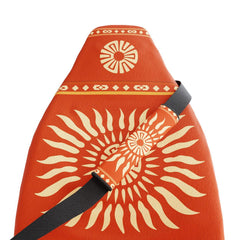



Blanket marketing worships heaviness — weighted this, chunky that — while quietly, the most-used blanket in most homes is the light one: grabbed for summer evenings, packed for trips, layered when winter actually demands it. The lightweight class (call it the one-kilo division) deserves its own buying logic.
What one kilo buys
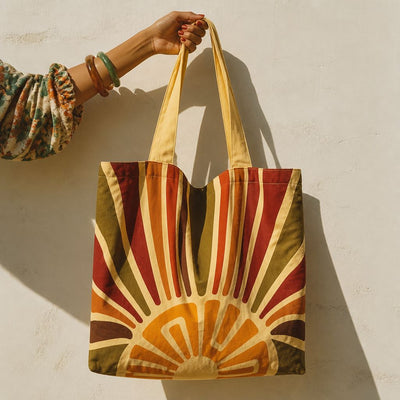
Twelve-month usability: a light woven breathes on July nights when the heavy artillery suffocates, then joins the winter stack as a layer — the four-season math from the structure-vs-fluff argument. Portability that changes behavior: a kilo rolls into a tote with room to spare, which is why light blankets actually make it to picnics, flights, offices and trunks while heavy ones guard the sofa. Drape: light wovens wrap shoulders like clothing — the festival-midnight test heavy blankets fail.
What it can't do (honesty section)
Deep-winter solo duty. A one-kilo cotton throw over a t-shirt in January is optimism, not insulation — that's what layering and the wool heavyweight are for (the three-throw system assigns everyone their season). Lightweight is a role, not a compromise, as long as you cast it correctly.
Light without flimsy: the distinction
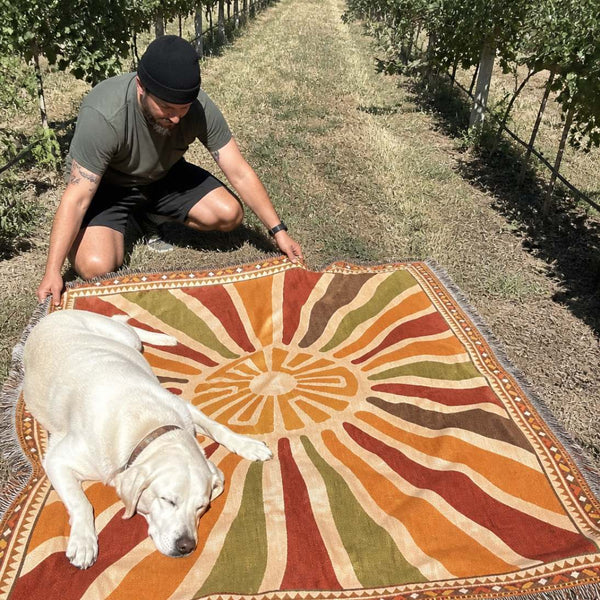
The trap is confusing light with thin — gauzy “summer throws” that snag into ruin by August. The engineering answer is density at low mass: a flat jacquard weave packs structure into its kilo, which is how our 130×180 rugs stay ground-capable and wash-proof at tote weight. Dahlia for the bedroom register, Nirvana's 70s waves for the sofa — all of them light enough to leave the house, which is where blanket life actually gets interesting.


